Mozambique has signed but not yet ratified the Treaty on the Prohibition of Nuclear Weapons (TPNW).
Signature
Antonio Gumende, the then-permanent representative of Mozambique to the United Nations, signed the TPNW in New York on 18 August 2020.
In 2023, the council of ministers of Mozambique approved a proposal to submit the TPNW to the national assembly for ratification. The government said that it is committed to becoming a state party soon, and this is “the last stage of the internal procedures” for ratification.
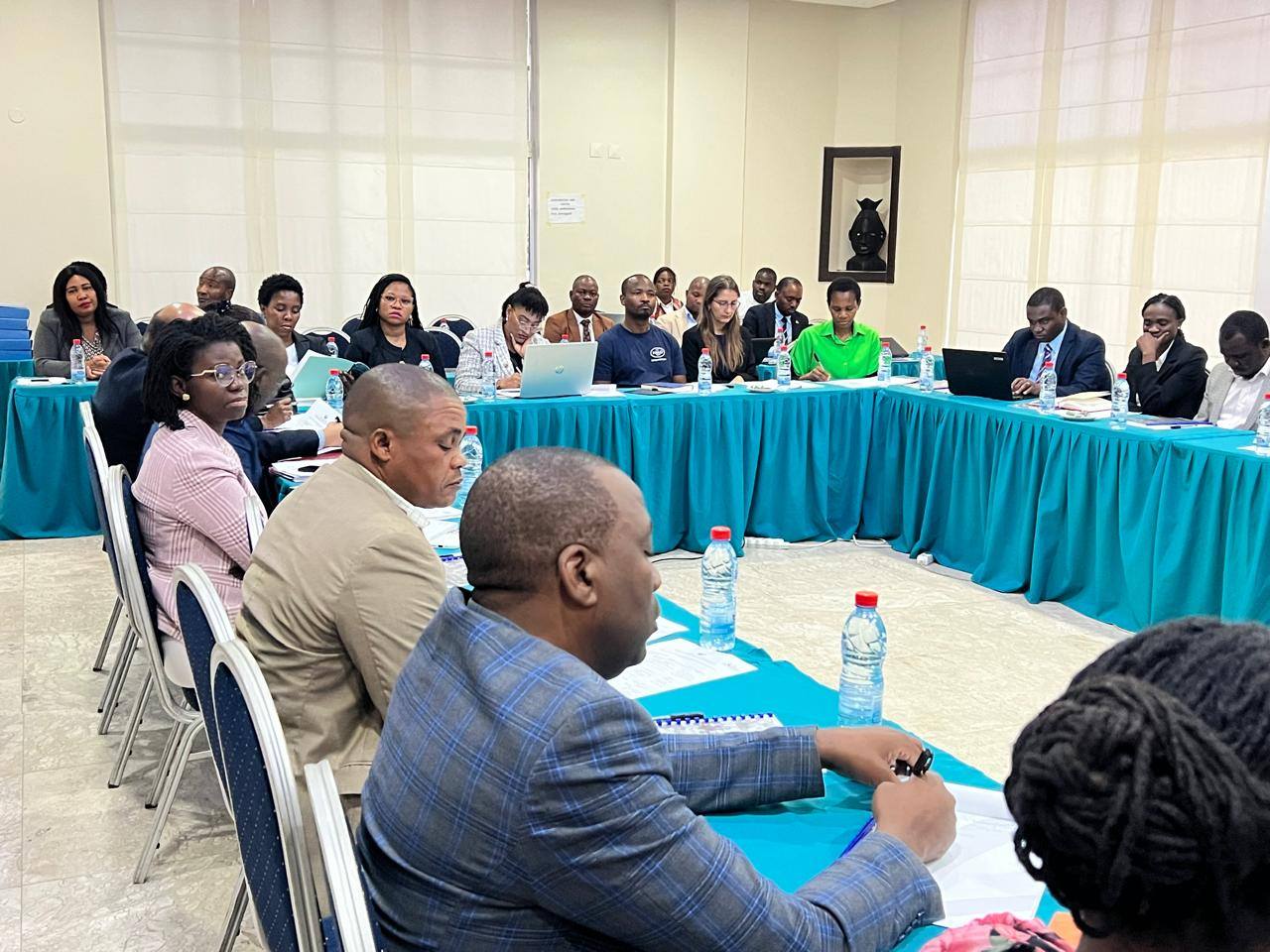
In September 2025, the government held a meeting with partners to identify the legal and administrative requirements of ratification.
Government officials and relevant stakeholders meet in 2025 to discuss ratification of the TPNW.
National position
In 2024, the then-minister of foreign affairs and cooperation of Mozambique, Veronica Macamo, said that her country is committed to the effective implementation of the TPNW and other disarmament treaties. “The international community must continue to work together to achieve a world that is safer and free from nuclear weapons,” she said.
Mozambique has promoted universal adherence to the TPNW, including by consistently voting in favour of an annual UN General Assembly resolution since 2018 that calls upon all states to sign, ratify, or accede to the treaty “at the earliest possible date”.
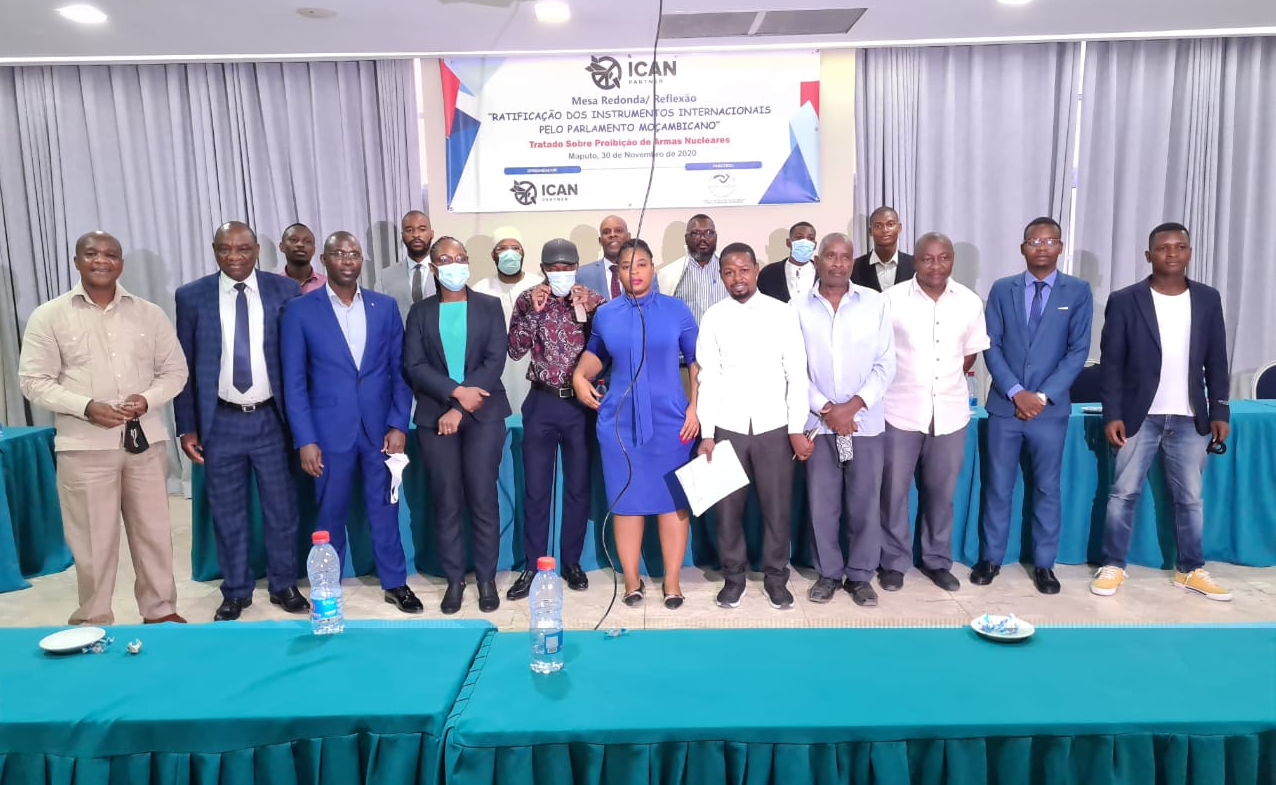
Mozambican parliamentarians and other stakeholders participate in a workshop about the TPNW in Maputo in 2020. Photo: COREM
Meetings of states parties
Mozambique observed the first meeting of states parties to the TPNW in 2022. It announced that “currently internal procedures are under way” in Mozambique to ratify the treaty “as quickly as possible”.
Mozambique also observed the second meeting of states parties in 2023 and the third meeting in 2025.
TPNW negotiations
Mozambique participated in the negotiation of the TPNW at the United Nations in New York in 2017 and was among 122 states that voted in favour of its adoption.
In 2016, Mozambique voted in favour of the UN General Assembly resolution that established the formal mandate for states to commence negotiations on “a legally binding instrument to prohibit nuclear weapons, leading towards their total elimination”.
Before the negotiations
Prior to the adoption of the TPNW in 2017, nuclear weapons were the only weapons of mass destruction not subject to a comprehensive, globally applicable treaty prohibition. Mozambique supported calls in the UN General Assembly fill this “legal gap”.




 Mozambique