کوئی جوہری ہتھیار نہیں

جوہری ہتھیار انسانیت اور ہمارے سیارے کے لیے ایک سنگین اور بڑھتا ہوا خطرہ  ہیں۔  انہیں فوری طور پر ختم کرنے کی ضرورت روز بروز بڑھ رہی ہے۔

کوئی جوہری ہتھیار نہیں

دنیا کے بیشتر ممالک اس مقصد کے لیے پختہ عزم رکھتے ہیں اور انہوں نے تاریخی جوہری ہتھیاروں کی ممانعت کے معاہدے میں شمولیت اختیار کی ہے، جو 2021 میں نافذ ہوا۔

لیکن نو ممالک، بین الاقوامی اصولوں اور اپنے شہریوں کی خواہشات کے برخلاف، اب بھی بڑے پیمانے پر تباہی پھیلانے والے خطرناک ہتھیار اپنے پاس رکھتے ہیں۔ ہر سال وہ اپنے اسلحہ خانوں کو جدید بنانے اور بڑھانے پر اربوں ڈالر ضائع کرتے ہیں۔

جوہری ہتھیاروں کی ایک خطرناک دوڑ جاری ہے، اور جوہری ہتھیاروں کے استعمال کا خطرہ — چاہے جان بوجھ کر ہو یا حادثاتی اتفاقی طور پر — آج اتنا ہی زیادہ ہے جتنا پہلے کبھی تھا۔ ہم ہر وقت عالمی تباہی سےصرف ایک غلط فیصلے کی دوری پر ہیں

حکومتوں کو جوہری ہتھیاروں کو فوری طور پر ختم کرنے کے لیے کارروائی کرنی چاہیے تاکہ ان بے مثال تباہی کو روکا جا سکے جس کے لیے وہ بنائے گئے تھے۔ یہی واحد ضمانت ہے کہ ان کا مزید استعمال اور تجربات نہ ہوں۔

لیکن یہ تب ہی ممکن ہوگا جب دنیا بھر کے لوگ اٹھ کھڑے ہوں اور عملی اقدام کا مطالبہ کریں۔

دنیا کے بدترین ہتھیار

جوہری ہتھیار اب تک بنائے گئے سب سے زیادہ تباہ کن، اندھا دھند اور غیر انسانی ہتھیار ہیں۔ ایک بم اتنا طاقتور ہے کہ پورے شہر کو تباہ کر سکتا ہے، جس میں ہلاکتوں کی تعداد کروڑوں نہیں تو لاکھوں تک ضرور پہنچ جاتی ہے۔

انٹرنیشنل کمیٹی آف دی ریڈ کراس نے جوہری ہتھیاروں کو "اپنی تباہ کن طاقت میں منفرد، انسانوں کو پہنچنے والی ناقابلِ بیان تکلیف میں بے مثال … اور ماحول، آنے والی نسلوں بلکہ خود انسانیت کی بقا ہی کے لیے خطرہ" قرار دیا ہے۔

جوہری ہتھیاربڑی مقدار میں تابکاری خارج کرتے ہوئے، ہوا، زمین، پانی اور ہمارے جسموں کو آلودہ کرتے ہیں، یہ قومی سرحدوں کے پار اور کئی نسلوں تک نقصان پہنچاتے ہیں۔

جب تک یہ موجود ہیں، اس بات کا حقیقی خطرہ موجود رہے گا کہ انہیں دوبارہ استعمال کیا جائے گا، اور اس کے نتائج تباہ کن ہوں گے — یہاں تک کہ ان ممالک کے لوگوں کے لیے بھی جن کا اس تنازع سے کوئی تعلق نہیں ہوگا جس میں یہ استعمال کیے جائیں گے۔

جوہری ہتھیار کے اثرات

حرارت

جب ایک جوہری ہتھیار پھٹتا ہے تو یہ شدید حرارت خارج کرتا ہے دھماکے کی مرکزی جگہ کے قریب تقریباً ہر چیز اور ہر شخص فوراً راکھ اور بخارات میں تبدیل ہو جاتا ہے۔

ایک بڑا آگ کا گولہ، جس کا مرکزی درجہ حرارت دس لاکھ ڈگری سیلسیس سے بھی زیادہ ہوتا ہے، آسمان کی طرف بلند ہوتا ہے، جبکہ زمین کی سطح کا درجہ حرارت کئی ہزار ڈگری تک پہنچ جاتا ہے — جو سورج کی سطح سے بھی زیادہ گرم ہوتا ہے۔

یہ شدید حرارت وسیع علاقے میں آگ بھڑکا دیتی ہے، جو زہریلا دھواں اور جلنے والی گیسیں فضا میں چھوڑتی ہیں اور مل کر ایک عظیم آگ کے طوفان کی شکل اختیار کر لیتی ہیں۔

حتیٰ کہ وہ لوگ جو دھماکے کی مرکزی جگ سے درجنوں کلومیٹر دور ہوتے ہیں شدید اور جان لیوا جھلساؤ کا شکار ہوتے ہیں، جبکہ اس سے بھی زیادہ فاصلے پر موجود افراد تیز روشنی کی چمک سے بینائی کھو بیٹھتے ہیں۔

دھماکہ

جوہری ہتھیار ایک نہایت طاقتور اور تیز رفتار بلند دباؤ والی ہوا کی دیوار بھی پیدا کرتا ہے جسے شاک ویو کہا جاتا ہے، جو کئی کلومیٹر تک باہر کی طرف پھیلتی ہے۔

یہ لوگوں کو فضا میں اچھال دیتی ہے، انہیں بے ہوش کر دیتی ہے، ان کے جسموں کو چیر پھاڑ دیتی ہے اور ان کے پھیپھڑوں کو تباہ کر دیتی ہے۔

وسیع علاقے میں عمارتیں مکمل طور پر زمین بوس ہو جاتی ہیں اور بہت سے لوگ دب کر ہلاک ہو جاتے ہیں۔ ڈھیلی اشیاء فضا میں میزائل کی طرح اچھالی جاتی ہیں۔

یہاں تک کہ کنکریٹ اور فولاد سے بنی بلند و بالا عمارتیں بھی اس دھماکے کی شدت سے تباہ ہو جاتی ہیں۔

تابکاری

جوہری سلسلہ رد عمل، جو دھماکے کا سبب بنتا ہے، بڑی مقدار میں آئنائزنگ تابکاری خارج کرتا ہے، جو انسانوں کے جسموں میں گہرائی تک داخل ہو کر ان کے خلیات کوتباہ کر دیتی ہےیا نقصان پہنچاتی ہے اور بیماریوں کا سبب بنتی ہے۔

دھماکے کی مرکزی جگہ سے کئی کلومیٹر کے فاصلے پر بھی لوگوں کو اتنی زیادہ تابکاری ملتی ہے کہ وہ شدید تابکاری زہر (ایکیوٹ ریڈی ایشن پوائزننگ) سے ہلاک ہو سکتے ہیں۔

اس کی علامات میں قے، مسوڑھوں سے خون آنا، اسہال اور بالوں کا جھڑنا شامل ہیں۔ زیادہ تر متاثرہ افراد حملے کے چند ماہ کے اندر ہی وفات پا جاتے ہیں۔

کچھ لوگ بیماری کے ابتدائی مرحلے سے تو صحت یاب ہو جاتے ہیں، لیکن سالوں یا حتیٰ کہ دہائیوں بعد کینسر اور دیگر بیماریوں سے مر جاتے ہیں، جو تابکاری کے دیرپا اثرات کی وجہ سے ہوتی ہیں۔

کچھ زندہ بچ جانے والوں میں کروموسوم کی بے قاعدگیاں اور دیگر جینیاتی نقصانات دیکھے جاتے ہیں، جو آئندہ نسلوں تک منتقل ہو سکتے ہیں۔
تابکار ذرات کی بارش 

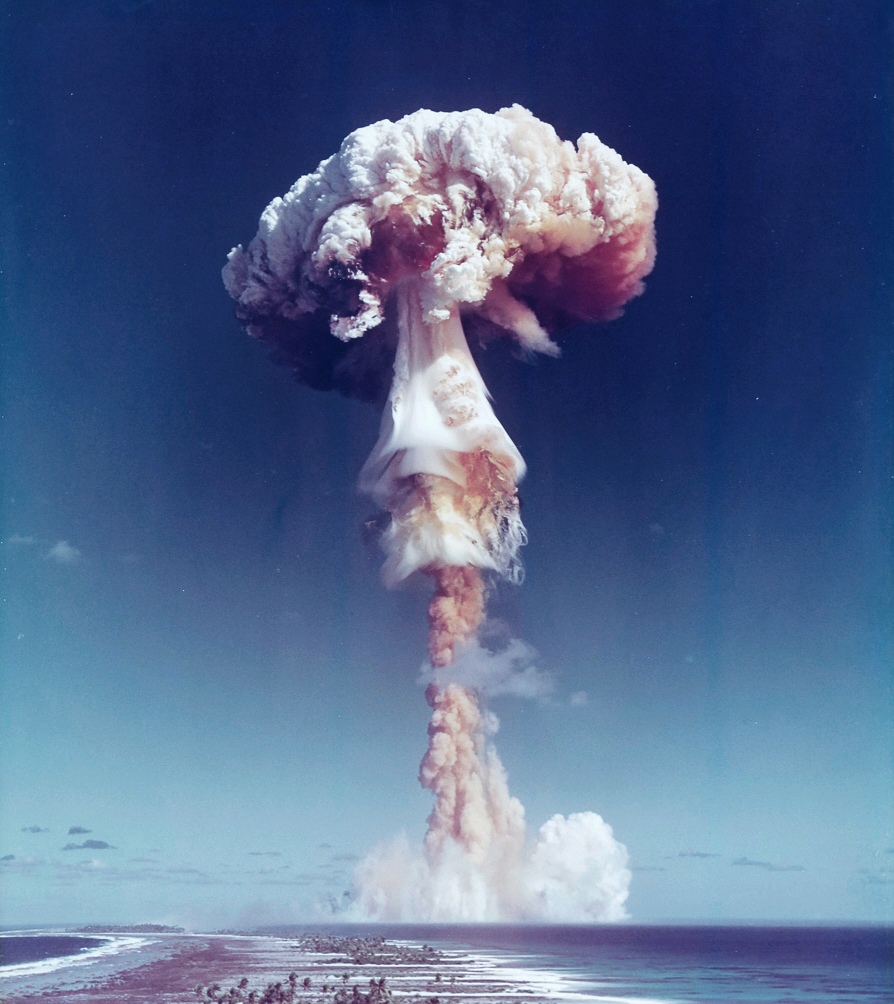
جوہری ہتھیار ایک بہت بڑا کھمبی نما بادل بھی پیدا کرتا ہے، جو تابکار گرد و غبار اور ملبے کو اوپر کی طرف کھینچ کر فضا میں چھوڑ دیتا ہے۔

ہوائی دھارائیں اسے فضا میں پھیلا دیتی ہیں، اور بالآخر یہ ایک وسیع علاقے میں زمین پر گرنے لگتا ہے۔

اسے تابکار ذرات کی بارش یا فال آؤٹ کہا جاتا ہے، یہ دھماکے کی مرکزی جگہ سے دور رہنے والے لوگوں کے لیے بھی فوری اور طویل مدتی صحت کے خطرات پیدا کرتا ہے۔ کچھ تابکار اجزاء کئی سالوں تک خطرناک رہتے ہیں اور مٹی، پانی اور خوراک کو آلودہ کر دیتے ہیں۔

برقی مقناطیسی لہر

اگر کسی جوہری ہتھیار کا دھماکا بہت زیادہ بلندی پر کیا جاتا ہے تو یہ ایک طاقتور برقی مقناطیسی لہر خارج کرتا ہے، جو وسیع علاقے میں الیکٹرانک آلات کو تباہ کر دیتا ہے۔ موبائل مواصلاتی نظام، انٹرنیٹ کی صلاحیتیں اور بینکنگ ٹیکنالوجی شدید طور پر متاثر اور درہم برہم ہو جاتی ہیں۔

یہ اثر سب سے پہلے فضائی اور بلند فضا میں کیے جانے والے جوہری تجربات کے دور میں دیکھا گیا تھا۔ 1962 میں جب امریکہ نے بحر الکاہل میں جانسٹن ایٹول سے تقریباً 400 کلومیٹر اوپر خلا میں ایک جوہری ہتھیار کا تجربہ کیا تو اس کے اثر سے ہوائی میں اسٹریٹ لائٹس اور فونز کو نقصان پہنچا، جو 1,450 کلومیٹر سے زیادہ فاصلے پر واقع تھے۔

ایک بہت زیادہ طاقتوراور بلند فضا میں کیا جانے والا جوہری دھماکہ پورے براعظم کے الیکٹرانک نظام کو تباہ کرسکتا ہے۔

امریکی ریاست نیواڈا میں ایک فرضی گھر پر کیے گئے جوہری تجربے کے دھماکے کے اثرات۔ کریڈٹ: امریکی حکومت

بچوں کے لیے زیادہ خطرہ

شیر خوار بچے اور بچے جوہری ہتھیاروں کے اثرات کے لیے خاص طور پر زیادہ حساس اور کمزور ہوتے ہیں۔
بالغوں کے مقابلے میں ان کے جھلسنے (برنز) سے مرنے کا امکان زیادہ ہوتا ہے، کیونکہ ان کی جلد زیادہ پتلی اور نازک ہوتی ہے؛ دھماکے کے زخموں سے بھی زیادہ خطرہ ہوتا ہے، کیونکہ ان کے جسم نسبتاً کمزور ہوتے ہیں؛ اور شدید تابکاری سے ہونے والی بیماری کا خطرہ بھی زیادہ ہوتا ہے، کیونکہ ان کے جسم میں ایسے خلیات زیادہ ہوتے ہیں جو تیزی سے بڑھتے اور تقسیم ہوتے ہیں۔

وہ گر جانے والی اور جلتی ہوئی عمارتوں سے خود کو نکالنے یا بعد کے حالات میں اپنی بقا کے امکانات بڑھانے کے لیے دیگر اقدامات کرنے کی بھی کم صلاحیت رکھتے ہیں۔

سن 1945 میں ناگاساکی پر امریکی ایٹمی بمباری کے بعد ایک بچہ جھلسنے کے زخموں کا علاج کرا رہا ہے۔ کریڈٹ: یاسُو تومیشیگے

جوہری سردی اور قحط

 جوہری ہتھیار اب تک بنائے گئے وہ واحد آلات ہیں جن میں زمین پر موجود تمام پیچیدہ جانداروں کو تباہ کرنے کی صلاحیت موجود ہے۔

اگر ان میں سے ایک سو یا اس سے زیادہ جوہری ہتھیار شہروں کے خلاف استعمال کیے جائیں تو اس کے نتیجے میں پیدا ہونے والے آتش طوفانوں سے اٹھنے والی کالکھ اور دھواں پورے کرہ ارض کو ڈھانپ لے گا اور ایک دہائی سے زیادہ عرصے تک سورج کی روشنی کو روک دے گا، جس سے عالمی درجہ حرارت میں شدید کمی واقع ہوگی — اس اثر کو جوہری سردی کہا جاتا ہے۔

اندھیرے میں ڈوبی ہوئی دنیا میں ایسی سردی پیدا ہو جائے گی جو آج کے گرم اور استوائی علاقوں  کو برفیلے علاقوں میں بدل دے گی۔ خوراک کی فصلیں تباہ ہو جائیں گی اور عالمی زرعی پیداوار منہدم ہو جائے گی، جس کے نتیجے میں وسیع پیمانے پر قحط اور معاشرتی انحطاط ہوگا۔

متعدی بیماریوں کی وبائیں اور قلیل وسائل پر تنازعات عام ہو جائیں گے۔ پہلے ہی غذائی قلت کا شکار افراد سب سے زیادہ موت کے خطرے میں ہوں گے۔

یہاں تک کہ نام نہاد "محدود" جوہری جنگ — جس میں عالمی جوہری ہتھیاروں کا ایک چھوٹا سا حصہ استعمال ہو — یہ بھی دنیا کی بڑی آبادی کو بھوک کے خطرے سے دوچار کر دے گی۔

ایسی جنگ اوزون کی تہہ کو شدید نقصان پہنچائے گی، جس سے بعض اقسام کے کینسر میں نمایاں اضافہ ہوگا اور سمندری حیات کو تباہ کن نقصان پہنچے گا۔ بہت سی نباتاتی اور حیوانی انواع کو معدومیت کا سامنا کرنا پڑے گا ، اور کرہ ارض کو ہونے والا نقصان ناقابلِ تلافی ہوگا۔

نقل مکانی اور معاشی تباہی

جوہری جنگ میں، فال آؤٹ کے اثرات سے متاثر ہونے والے لاکھوں لوگ اپنے گھروں کو چھوڑ کر ہمسایہ ممالک میں جانے پر مجبور ہو جائیں گے، انہیں فوری طور پر رہائش، غیر آلودہ خوراک اور پانی، اور طبی سہولیات کی ضرورت ہوگی۔ پناہ کے متلاشی افراد کی تعداد تاریخ میں بے مثال ہوگی۔

متعدد جوہری ہتھیاروں کے استعمال سے بین الاقوامی تجارت اور ٹیلی کمیونیکیشن کا نظام بھی شدید طور پر متاثر ہوگا، اور ممکن ہے کہ عالمی معاشی نظام مکمل طور پر تباہ ہو جائے، جس سے غربت میں مزید اضافہ ہوگا اور انسانی ترقی کے اہداف دہائیوں پیچھے چلے جائیں گے۔

کوئی بھی ملک اور کوئی بھی فرد ان ممکنہ اثرات سے محفوظ نہیں ہے۔

ہیروشیما اور ناگاساکی

اگست 1945 میں جب امریکہ نے جاپان کے ہیروشیما اور ناگاساکی شہروں پر دو نسبتاً چھوٹے جوہری بم گرائے تو ڈھائی لاکھ سے زائد افراد ہلاک ہوئے — یہ جنگ میں جوہری ہتھیاروں کا پہلا اور واحد استعمال تھا۔

بہت سے لوگ فوراً جل کر راکھ ہو گئے۔ دیگر افراد شدید جھلسنے، دھماکے کے زخموں اور شدید تابکاری بیماری کے باعث گھنٹوں، دنوں یا ہفتوں بعد اذیت میں مبتلا ہو کر ہلاک ہوئے۔ بے شمار افراد برسوں بعد بھی تابکاری سے متعلق کینسر اور دیگر بیماریوں سے مر گئے ۔

اس طرح کےہولناک مظالم کی تکرار کو روکنے کے لیے، اقوام کو جوہری ہتھیاروں کے خاتمے کے لیے فوری طور پر کارروائی کرنی چاہیے۔

ہیروشیما اور ناگاساکی میں تباہی کے مناظر قیامت خیز تھے: اسکولوں کے صحن مردہ اور مرتے ہوئے بچوں سے بھرے ہوئے تھے۔ مائیں اپنے بے جان بچوں کو گود میں لیے بیٹھی تھیں۔ لوگوں کی آنتیں باہر لٹک رہی تھیں اور ان کے اعضاء سے جلد کی پٹیاں ادھڑی ہوئ  تھیں۔

زیادہ تر متاثرین اپنی تکلیف کو کم نہیں کر سکے اور وہ  بغیر کسی طبی امداد کےہی مر گئے، کیونکہ صرف چند ہسپتال ہی کھڑے رہ گئے تھے۔ ، طبی سامان تباہ ہو چکا تھا، اور زیادہ تر ڈاکٹر اور نرسیں ہلاک یا زخمی ہو چکے تھے۔ جو لوگ بعد میں ان شہروں میں امداد کے لیے داخل ہوئے تھے وہ بھی باقی ماندہ تابکاری کے باعث اپنی جان کو خطرے میں ڈال بیٹھے

متاثرین کی بہت بڑی اکثریت – 90 فیصد سے زیادہ – عام شہری تھے، جن میں ایک اندازے کے مطابق 38,000 بچے بھی شامل تھے۔ ہیروشیما پر حملے کے وقت، تقریباً 8,400 جونیئر ہائی اسکول کے طلبا باہر کھلے آسمان کے نیچے شہری دفاع کے اقدام کے طور پر آگ بھڑکا رہے تھے۔ ان میں سے 6,300 مارے گئے۔

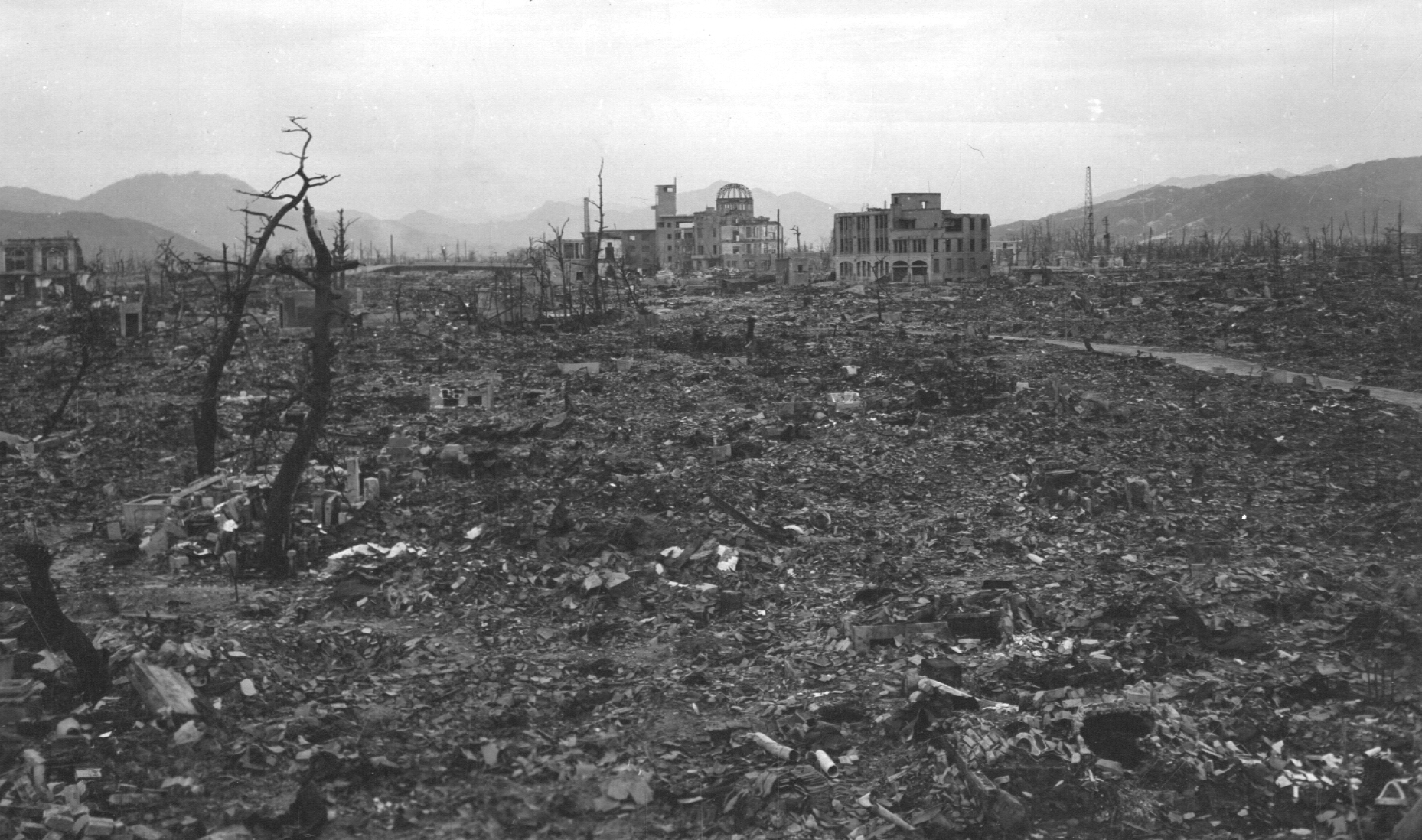
ہیروشیما کے کھنڈرات۔ کریڈٹ: امریکی حکومت

ہیروشیما پیس میموریل میوزیم میں ایک نمائش۔

گراؤنڈ زیرو

ہر شہر میں، وہ لوگ جوگراؤنڈ زیرو کے کے سب سے قریب یعنی ہائپو سینٹر میں تھے– ان کے زندہ بچنے کے امکانات نہ ہونے کے برابر تھے۔ تقریباً ہر وہ شخص جو 1.2 کلومیٹر کے دائرے میں تھا اور بم کے اثرات سے محفوظ نہیں تھا، فوراً یا چند ہفتوں کے اندر مر گیا۔

ہائپو سنٹر پر زمین کا درجہ حرارت 3,000 سے 4,000 ڈگری سیلسیس تک پہنچ گیا، جبکہ 3.5 کلومیٹر کے فاصلے تک موجود لوگ بھی جھلسنے کا شکار ہوئے۔ طاقتور شاک ویو یعنی جھٹکے کی لہروں نے 2 کلومیٹر کے دائرے میں لکڑی کی زیادہ ترعمارتوں کو تباہ کر دیا۔

یہاں تک کہ 1 کلومیٹر کے فاصلے پر بھی لوگوں کو اتنی زیادہ آئنائزنگ تابکاری ملی کہ وہ شدید تابکاری زہر سے ہلاک ہو گئے۔ بہت سے لوگ اس سے کہیں زیادہ فاصلے پر بھی تابکاری کے دیرپا اثرات کے باعث بعد میں مر گئے۔

بعد کی صورتحال

بمباری کے بعد مچی افراتفری میں، والدین نے اپنے بچوں کو اور بچے اپنے والدین کو بے تابی سے تلاش کرتے رہے۔  کچھ کو اپنے پیاروں کی صرف جلی ہوئی باقیات یا ذاتی اشیاء ملیں ۔ جبکہ بعض کو ان کا کوئی نام و نشان تک نہیں ملا۔ 

خاندان کے افراد کو دوبارہ ملانے کی کوششیں اس حقیقت کی وجہ سے مزید مشکل ہو گئی تھیں کہ بہت سے لوگ اتنے شدید زخمی ہو چکے تھے کہ انہیں پہچاننا تقریباً ناممکن ہو گیا تھا

"کچھ دیر بعد، میں نے ہوائی حملے کی پناہ گاہ سے باہر جھانکا۔ میں نے لوگوں کو کھیل کے میدان میں ہر طرف بکھرا ہوا پایا۔ زمین تقریباً مکمل طور پر لاشوں سے ڈھکی ہوئی تھی۔ ان میں سے زیادہ تر مردہ معلوم ہوتے تھے اور ساکن پڑے تھے۔ تاہم، یہاں وہاں کچھ لوگ اپنی ٹانگیں جھٹک رہے تھے یا اپنے بازو اٹھا رہے تھے۔

فوجیو تسوجیموتو،عمرپانچ سال، ناگاساکی

کچھ متاثرین کے جسم پر کسی قسم کے ظاہری زخم یا نشان نہیں تھے، لیکن وہ اچانک بیمار ہو کر مر گئے۔ ان کی موت نے ابتدائی امدادی کارکنوں کو حیرت میں ڈال دیا، کیونکہ وہ اس بات سے بے خبر تھے کہ ایک نئے قسم کا ہتھیار استعمال ہوا ہے جس کے مہلک اور تابکار اثرات ہیں۔

شہروں میں بہت سی حاملہ خواتین کا اسقاطِ حمل ہو گیا یا انہوں نے ایسے بچوں کو جنم دیا جو بچپن میں ہی وفات پا گئے، کیونکہ بموں کی تابکاری ان کے رحم تک پہنچ چکی تھی۔ رحم کے اندر تابکاری کے اثرات سے متاثر ہونے والے بچوں میں پیدائشی نقائص، بشمول مائیکروسیفالی عام تھے۔

ناگاساکی حملے کے ایک ماہ بعد۔ کریڈٹ: امریکی حکومت

ناگاساکی میں ایک لڑکا حملے کے بعد راشن کا کھانا حاصل کر رہا ہے۔ کریڈٹ: یوسُوکے یاماہاتا

Shinichi’s tricycle

At the time of the attack on Hiroshima, three-year-old Shinichi Tetsutani was outside his home doing what he loved most – riding his tricycle.

He suffered major injuries, including burns to his whole body, and died several hours later. His two sisters, Michiko and Yoko, were also killed.

Their father remarked years later: “This should never happen to children. Please work to create a peaceful world where children can play to their heart’s content.”

Shinichi’s burnt tricycle is now on permanent display at the Hiroshima Peace Memorial Museum, and a sculpture based on it can be found at the International Red Cross and Red Crescent Museum in Geneva.

It has become a poignant symbol of children’s suffering in the nuclear attacks.

Credit: Hiroshima Peace Memorial Museum, donated by Nobuo Tetsutani

Sisters in Hiroshima

Two-year-old Kimino Wataoka and her five-year-old sister, Hirono, were at home with their parents when Hiroshima was attacked. All four of them were killed.

Another sister, Kayoko, had been close to ground zero and also died. Only the eldest sister, Chizuko, survived.

It is believed that this photo of Kimino (left) and Hirono (right) was taken just one day before the nuclear bombing. Credit: Miho Iwata

Irradiated by the bomb

Toru Ikemoto was seven years old and his sister, Aiko, was nine when Hiroshima was destroyed. Both were indoors, around 1 kilometre from the hypocentre.

Within four or five days of the attack, their hair started falling out and they experienced fevers and bleeding gums – symptoms of acute radiation poisoning.

While both recovered from the acute stage of the illness, they ultimately succumbed to the delayed effects of radiation. Toru died at age 11 and Aiko at 29.

Siblings Toru (left) and Aiko (right) at the Hiroshima Red Cross Hospital in October 1945. Credit: Shunkichi Kikuchi

Survivors

Those who, by chance, survived the nuclear bombings of Hiroshima and Nagasaki became known in Japanese as hibakusha, or “explosion-affected people”.

Many endured life-long pain and discomfort due to their injuries, along with psychological trauma. Some developed thick scar tissue over their bodies and faces or lived for decades with fragments of glass embedded deep in their flesh.

Women faced particular hardship and stigma because of fears that genetic damage caused by the bombs would be passed on to their children and grandchildren.

Within a few years of the attacks, survivors began developing cancers and other illnesses at unusually high rates as a result of the delayed effects of radiation. Leukaemia was especially common in the early years.

To alert the world to the danger of nuclear weapons, many survivors have publicly shared their personal testimonies of what happened in 1945. Some who were children at the time of the attacks are still alive today and continue this truth-telling work.

Their message has been clear and consistent over the decades: Nuclear weapons and humanity cannot coexist.

In 2024, Nihon Hidankyo – a Japanese confederation of organisations representing survivors – won the Nobel Peace Prize “for its efforts to achieve a world free of nuclear weapons and for demonstrating through witness testimony that nuclear weapons must never be used again”.

The courageous, unstinting advocacy of survivors has inspired many people around the world to join the movement for nuclear abolition.

A survivor and advocate

As a 16-year-old boy, Sumiteru Taniguchi survived the nuclear bombing of Nagasaki. “In the flash of the explosion, I was blown off my bicycle from behind and slapped down against the ground,” he recounted.

When he lifted his head, he saw that the children who had been playing all around him just moments before were now dead.

Despite being almost 2 kilometres from the hypocentre, he suffered severe burns to his back, left arm and left leg. His wounds soon became infected, and he spent almost four years in hospital recovering, including 21 months lying on his stomach.

The pain from his injuries never went away. He devoted much of his life to the cause of abolishing nuclear weapons.

Sumiteru Taniguchi looks at an image of himself taken in 1946, his back bearing the scars of the Nagasaki bomb. Credit: Yuriko Nakao

The legacy of nuclear testing

To increase the destructiveness and lethality of their nuclear forces, and to send warnings to their adversaries, nuclear-armed nations have carried out more than 2,000 nuclear test explosions around the world since 1945.

Releasing vast quantities of radiation into the atmosphere and oceans, these toxic experiments have caused epidemics of cancers and other chronic illnesses. Vast swathes of land remain unsafe for habitation, even decades after test sites were closed.

In the US state of New Mexico just three weeks before the nuclear bombings of Hiroshima and Nagasaki, the US government conducted the world’s first nuclear test explosion, code-named “Trinity”. Its giant fireball turned the sands into glass, illuminated the surrounding mountains and sent a mushroom cloud of radioactive debris 12 kilometres into the sky.

The consequences for the test site workers and nearby communities were devastating – and continue to be felt to this day.

The same has been the case for people working at or living downwind or downstream of more than 60 other nuclear test sites across the globe, from the deserts of Australia and Algeria to the steppes of Kazakhstan and the atolls of the Pacific.

Iroji Kebenli, 13 years old, suffered radiation burns when the United States tested a nuclear weapon in the Marshall Islands in 1954. Credit: US government

The mushroom cloud from the nuclear test explosion. Credit: US government

Nuclear test sites

Nuclear weapons have been tested in Algeria, Australia, China, India, Kazakhstan, Kiribati, Mā’ohi Nui (French Polynesia), the Marshall Islands, North Korea, Pakistan, Russia, Turkmenistan, Ukraine, the United States and Uzbekistan.

Introduction

Atmospheric nuclear test explosions – more than 500 of which were conducted, from 1945 to 1980 – had a particularly harmful effect, dispersing radioactive particles far and wide. Their combined destructive force was equal to 29,000 Hiroshima bombs.

Today, every person alive carries in their body radioactive substances from atmospheric tests, increasing their risk of disease. Physicians project that, over time, these past tests will cause at least four million premature deaths from cancers and other illnesses.

Nuclear test explosions conducted underwater and underground have also had long-term health and environmental impacts.

In the latter half of the 20th century, worldwide concern about the effects of nuclear testing gave rise to large-scale protest movements in many parts of the world, prompting leaders to negotiate a partial ban in 1963 and a comprehensive ban in 1996. Both have helped halt nuclear testing globally.

But the implications of past testing for people’s lives and the Earth’s fragile ecosystems will continue to be felt for generations to come. The international community has a duty not only to ensure that such destruction is never wrought again, but also to work to address the harm already done.

Few survivors of nuclear testing anywhere in the world have ever been compensated for their suffering, and efforts to clean up former nuclear test sites have been woefully inadequate. At some sites, dilapidated infrastructure poses an ongoing risk of further contamination.

A French nuclear test explosion at Moruroa Atoll in Mā’ohi Nui in 1971. Credit: French government

A crater formed by a Russian nuclear test explosion in Kazakhstan. Credit: CTBTO

Radioactive racism

Racist beliefs have often underpinned decisions concerning nuclear testing, with governments and colonial forces viewing indigenous peoples as expendable and their sacred lands as worthless and “remote”.

“Our land, our sea, our communities and our physical bodies carry the legacy of these deadly experiments with us now, and for unknown generations to come,” testified Karina Lester, a Yankunytjatjara Anangu woman from Australia, on behalf of a coalition of indigenous groups at the United Nations in 2017.

In the pursuit of “ever-deadlier weapons of mass destruction”, authorities treated indigenous peoples as “guinea pigs”, she said. Their consent was seldom sought, let alone obtained, and little or no protection was ever offered.

The toxic legacy of nuclear testing has meant that many communities have been disconnected from their traditional way of life, unable to return to ancestral sites or survive off the land and waters as they had done for centuries.

Australia: Blinded by the bomb

In 1953, when Yami Lester was 10 years old, the United Kingdom began conducting nuclear tests at Emu Field near his home in the Australian outback.

He remembered radioactive debris, or “black mist”, filling the sky. It caused his eyes to sting and, within four years, he had lost all sight.

“I was just playing with the other kids. That’s when the bomb went off,” he recalled. “I remember the noise, it was a strange noise, not loud, not like anything I’d ever heard before. The earth shook at the same time; we could feel the whole place move.”

Within hours, everyone in his community fell sick. “We were all vomiting; we had diarrhoea, skin rashes and sore eyes,” he said. “Some of the older people, they died.”

Yami went on to become a leading advocate on behalf of Aboriginal communities in Australia who had suffered harm as a result of the tests. Since his death in 2017, his children have carried on the struggle for justice.

Credit: Jesse Boylan

Kazakhstan: An artist born with no arms

Karipbek Kuyukov grew up in the Kazakh village of Yegyndybulak, near Semipalatinsk – the Soviet Union’s largest nuclear test site. He recalled the furniture and crockery shaking each time a nuclear test explosion took place during his childhood.

Before his birth, his parents would climb a hill near their home to get a better view of the bright and vast mushroom clouds that rose high into the sky.

“They didn’t even know about the health threats and devastating consequences of the crimes being committed against them,” he reflected.

Karipbek was born in 1968 without arms. Despite his physical challenges, he became a renowned artist, using his feet and mouth to paint. Many of his artworks convey an anti-nuclear message.

“My main mission on this land is to do everything I can for people like me to be the last victims of nuclear tests,” he said. “I do not want a repeat of these events at any place or time, anywhere on the planet … Let our sky be clean and our children be healthy!”

From 1949 to 1989, the Soviet Union conducted more than 450 nuclear test explosions at Semipalatinsk, almost a quarter of all tests globally.

One of ​​Karipbek Kuyukov’s artworks, titled “Fear”.

Marshall Islands: Radioactive atolls

Nerje Joseph was seven years old in 1954 when the United States conducted its largest-ever nuclear test explosion, “Castle Bravo”, about 160 kilometres from her home on Rongelap Atoll in the Marshall Islands.

It was much larger than expected, and caused much greater contamination. The sky turned orange and pink. None of the atoll’s inhabitants knew what had happened.

Hours later, radioactive ash and coral fragments rained down on their homes, contaminating their skin, water and food. Soon they began experiencing symptoms of acute radiation sickness.

Nerje’s hair fell out and, like almost everyone else on the atoll, she suffered burns.

Days later, US authorities evacuated the Rongelapese to another atoll because of the extreme risk of nuclear fallout to their health. But after three years of displacement, the authorities encouraged them to return, as they wanted to study the health effects of residual radiation.

“Data of this type has never been available,” a US official said at the time. “While it is true that these people do not live the way that westerners do, civilised people, it is nonetheless also true that they are more like us than the mice.”

For the Rongelapese, their resettlement back home would prove catastrophic. Cancers, miscarriages, stillbirths and birth defects multiplied.

Due to the accumulation of radioactive isotopes, Nerje had to have her thyroid surgically removed. She longed for a return to the good days before nuclear testing.

From 1946 to 1958, the United States conducted 67 nuclear test explosions in the Marshall Islands. Castle Bravo alone had an explosive yield one thousand times greater than that of the Hiroshima bomb.

Still to this day, entire atolls remain unsafe for habitation, agricultural production and fishing.

Nerje Joseph’s hair loss and burns to her feet from radiation. Credit: US government

Other sources of harm

Other aspects of the development of nuclear weapons – from the mining of uranium to the disposal of radioactive waste – have also had devastating impacts on human health and the environment.

At uranium mines – where the process of making nuclear weapons begins – radioactive and chemical pollution from waste tailings has seeped into the soil and waterways, harming workers and nearby communities. No mine anywhere in the world has been fully cleaned up after mining has finished.

Radioactive contamination has also occurred at nuclear reactors involved in the production of plutonium for nuclear weapons. At the Windscale nuclear power station in the United Kingdom, for example, a fire raged for three days in 1957, sending plumes of radiation across much of Europe. All milk from farms in the vicinity had to be destroyed.

Many communities globally also face ongoing challenges related to the safe, secure storage of vast quantities of nuclear waste amassed from the production of tens of thousands of nuclear weapons since 1945. It will remain dangerous for millennia.

Anti-nuclear protesters in the US state of Arizona. Credit: Jack Cohen-Joppa

Nuclear weapons today

Today, nine nations possess several thousand nuclear weapons, posing a unique existential threat to people everywhere.

They are in missile silos, aboard aircraft and on submarines patrolling the oceans at all times. Some can travel thousands of kilometres, across continents, to reach their targets.

Fact: The world’s nine nuclear-armed nations currently possess an estimated 12,241 nuclear weapons.

Most have vastly greater explosive yields than the bombs dropped on Hiroshima and Nagasaki at the dawn of the nuclear age. The largest ones are equal in force to more than a million tonnes, or one megaton, of the conventional chemical explosive TNT.

Even so-called “tactical” nuclear weapons, which are intended for use in the battlefield, can have explosive yields 20 times that of the Hiroshima bomb.

A single nuclear-armed submarine can carry a dozen or more ballistic missiles, each equipped with several nuclear warheads, with a combined capacity to destroy over a hundred cities.

Introduction

People living near military bases where nuclear weapons are deployed face an especially high risk of becoming victims of a nuclear attack, or suffering harm from an accidental nuclear explosion. Due to government secrecy, some of these people may even be unaware of their proximity to the weapons.

Most nuclear weapons are not simply in storage. They are actively deployed – poised for use at any moment – and governments are engaged in costly programmes to enhance and expand their arsenals, under the guise of “modernisation”.

Some nuclear-armed nations are developing new types of nuclear weapons, testing new systems for their delivery and expanding their doctrines for possible nuclear use. All appear intent on retaining their nuclear forces for the indefinite future.

A Russian nuclear missile at a military parade in 2023. Credit: Russian government

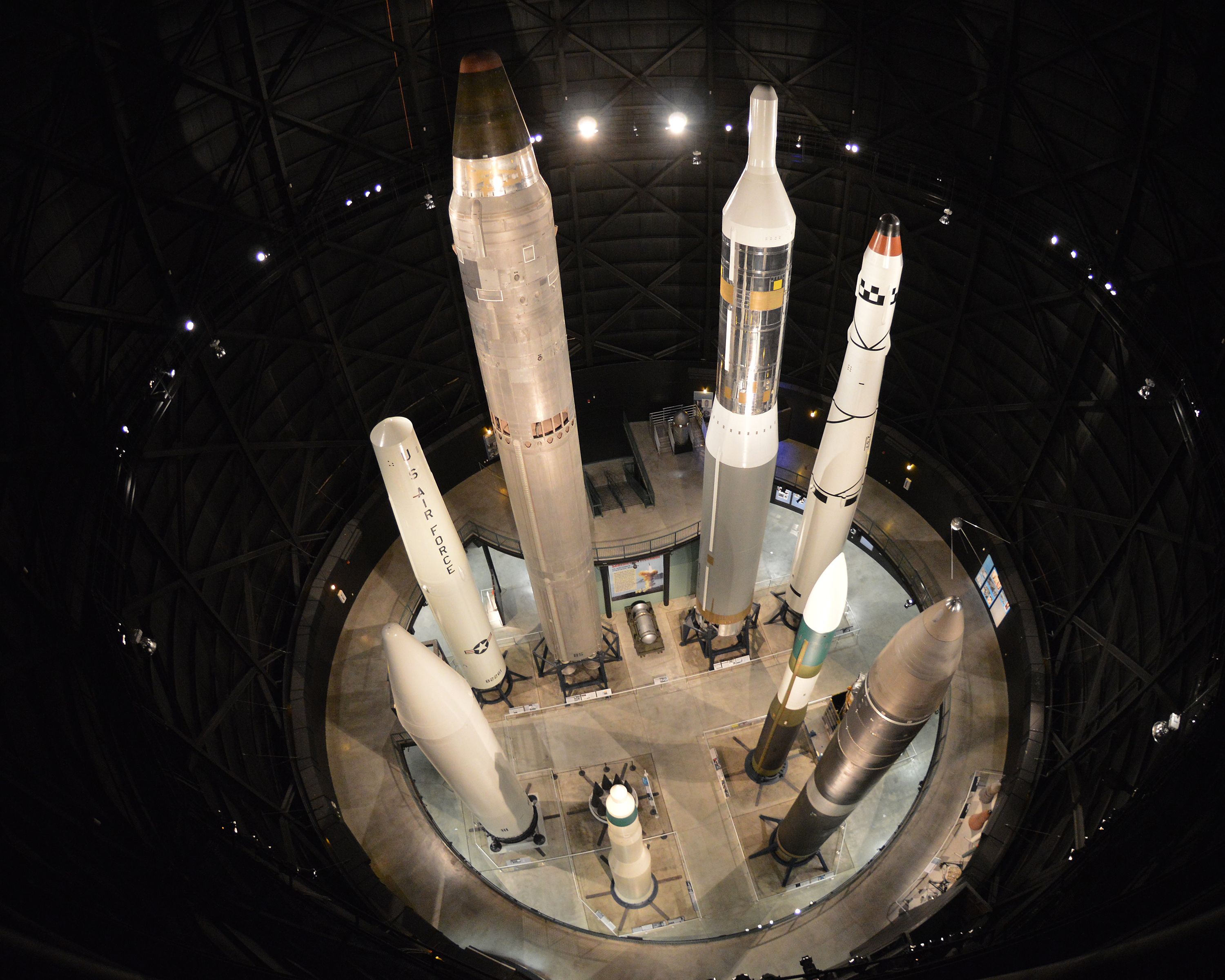
US nuclear missiles on display at a museum. Credit: US government

Nuclear-armed nations

Nine nations have nuclear weapons today: the United States, Russia, China, France, the United Kingdom, India, Pakistan, Israel and North Korea. The Russian and US nuclear arsenals are by far the largest.

Complicit nations

While only nine nations possess nuclear weapons, more than 30 others support their retention and potential use, including by claiming protection from an ally’s so-called “nuclear umbrella”.

All members of the North Atlantic Treaty Organisation (NATO), for example, have publicly endorsed nuclear weapons. Several even host US nuclear bombs on their territories – including Belgium, Germany, Italy, the Netherlands and Türkiye – and provide the aircraft and personnel needed to drop them. Belarus has a similar hosting arrangement in place with Russia.

Some nations share intelligence for the purpose of nuclear targeting, or allow nuclear-armed ships to transit through their waters and dock in their ports or nuclear-armed aircraft to enter their airspace and refuel at their airports.

All such acts of complicity perpetuate nuclear dangers and undermine disarmament efforts.

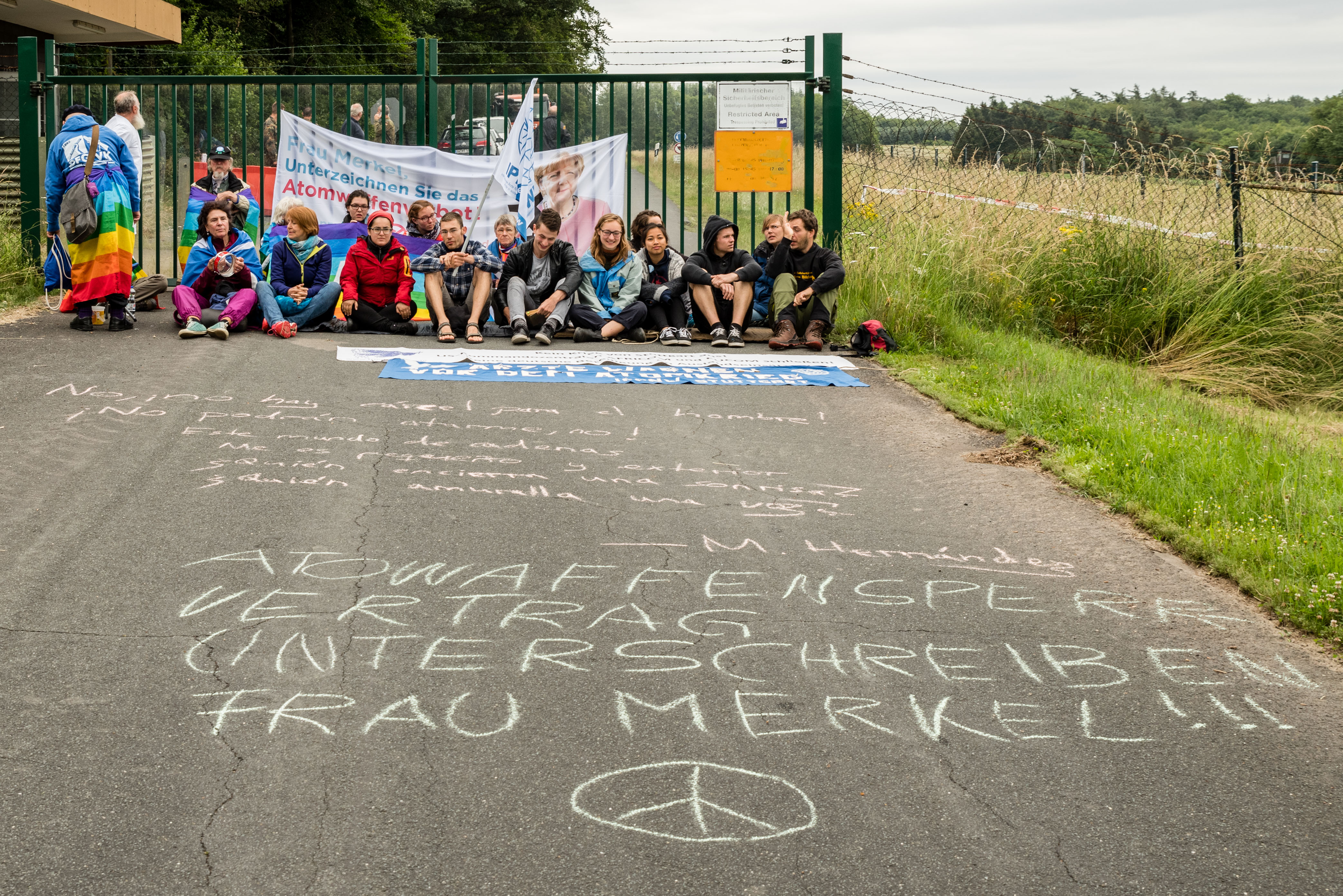
Protesters in Germany blockade a military base where US nuclear bombs are stationed. Credit: Ralf Schlesener

Proliferation concerns

The failure of nuclear-armed nations to disarm has heightened the risk that more nations, or even non-state actors, will one day acquire nuclear weapons. Achieving progress in disarmament is essential to preventing their spread.

While important measures are in place to guard against proliferation, the effectiveness of these measures cannot be guaranteed. Any nation capable of enriching uranium or reprocessing spent nuclear fuel to produce plutonium could, in theory, develop a nuclear weapon in a matter of months.

South Africa, Israel, India, Pakistan and North Korea all acquired nuclear weapons using facilities and materials that were ostensibly for “peaceful purposes”, underscoring the proliferation risks inherent in nuclear power programmes.

Just a few kilograms of highly enriched uranium or separated plutonium would be enough to produce one nuclear bomb. Today, hundreds of tonnes of these materials exist in global stockpiles, with more being produced. For disarmament to succeed, this problem must be addressed.

The case for abolition

To protect humanity from the catastrophic, irreversible harm that nuclear weapons are designed to inflict, governments must work with urgency to eliminate them.

Tens of thousands of nuclear weapons have already been dismantled in response to calls from people everywhere for abolition. One country, South Africa, has eliminated its nuclear weapons completely; dozens of others have abandoned plans to acquire them.

At the height of the Cold War, there were around 70,000 nuclear weapons, with major reductions in the global stockpile achieved from the mid-1980s to the early 2000s.

More recently, however, programmes for warhead dismantlement have ground to a halt, and some nuclear-armed nations are now expanding their arsenals at unprecedented rates. Not one of them has outlined a plan for total disarmament.

But the vast majority of the world’s nations remain strongly opposed to nuclear weapons and want them abolished without delay.

It is not enough just to stop the spread of these weapons to more nations, or to place limits on the circumstances in which they might be used. Given the gravity of the threat they pose to all life on our planet, abolition is the only answer.

An Artists Against the Bomb installation. Credit: Miki Anagrius

Immoral, illegal and undemocratic

Nuclear weapons inflict death and destruction on a massive scale, and threaten the very survival of humanity. The indiscriminate killing and maiming of hundreds of thousands of people can never be morally justified.

Any use of nuclear weapons would breach international law and constitute a war crime of the highest order. Weapons with catastrophic effects can never serve a legitimate military or strategic purpose.

All around the world, including in nuclear-armed nations, opinion polls indicate strong public support for abolition. Governments that continue to develop nuclear arsenals are acting contrary to the will – and best interests – of their citizens.

Everyone, everywhere stands to benefit from the elimination of these most horrific weapons.

The growing risk of use

The risk of a nuclear weapon being used today, whether by accident or design, is as high as it has ever been – and only appears to be increasing.

This is due to factors such as the dire international security environment, heightened tensions among nuclear-armed nations, the build-up of their nuclear forces, and the erosion of international norms and institutions.

The pursuit of offensive cyber-capabilities, autonomous technologies and artificial intelligence in the military domain makes the threat even greater.

Maintaining nuclear weapons on high alert – ready for use within minutes of a warning of an incoming attack – is a particularly dangerous practice. Once a nuclear-tipped missile has been launched, it cannot be recalled. It must proceed to its target, even if the launch was based on false information.

In the fog of war, leaders are prone to acting irrationally and unpredictably. The potential for misunderstandings is especially great in stressful, chaotic situations.

It is all too easy to foresee how a moment of panic or ruthlessness, a bruised ego or miscommunication, could lead to global catastrophe, as the vast power to unleash nuclear devastation is vested in just a few individuals.

On multiple occasions during the Cold War, the world came perilously close to experiencing a full-scale nuclear war. The most infamous incident was the Cuban missile crisis of 1962 involving the United States and the Soviet Union.

The fact that nuclear weapons have not been used in conflict since 1945 has more to do with good luck than good management. And sooner or later, our luck will run out – unless effective action is taken to eliminate this menace.

Nuclear deterrence

Nuclear-armed nations often invoke the theory of “nuclear deterrence” to justify maintaining nuclear arsenals. They argue that their weapons are solely for the purpose of deterring other nations from initiating a nuclear attack, and as such contribute to peace and stability.

Most nations, however, reject that logic and view nuclear deterrence as a dangerous, misguided and unsustainable approach to security. Moreover, it is inherently aggressive, as it relies on a constant, credible threat to inflict death and destruction on a large scale.

Contrary to the claims of deterrence proponents, the existence of nuclear weapons in the world has not prevented conflicts, including acts of aggression against nuclear-armed nations. In fact, nuclear weapons have made wars and confrontations more likely by exacerbating tensions and enabling coercion and blackmail.

Deterrence theory suggests that nuclear weapons are a legitimate and desirable source of security. This encourages proliferation and impedes disarmament.

Accidents and errors

There is not only a risk of the deliberate use of nuclear weapons; they could also be detonated as a result of human error, technical malfunction, cyber-attack, misinterpreted warnings or unauthorised access to command and control systems.

The numerous accidents involving nuclear weapons since 1945, as well as incidents where they were almost used due to errors, demonstrate the alarming potential for unintended disaster.

In 1968, for example, a US aircraft carrying four nuclear bombs caught fire and crashed near Greenland, contaminating the surrounding area with plutonium. Luckily, though explosions did occur, no nuclear chain reaction was triggered.

In 1995, Russian officials mistook the launch of a Norwegian scientific rocket for a US submarine-launched ballistic missile. The Russian president retrieved the launch codes for a retaliatory strike but ultimately determined that it was a false alarm.

Other deeply troubling incidents have involved the loss of nuclear weapons at sea, nuclear-armed submarines colliding, flying swans and light reflected off clouds being mistaken for nuclear-tipped missiles, and the inadvertent insertion of training tapes into an operational computer, which simulated an incoming nuclear attack.

In 1961, two nuclear bombs fell to the ground in the US state of North Carolina when a bomber lost a wing. “By the slightest margin of chance, literally the failure of two wires to cross, a nuclear explosion was averted,” said Robert McNamara, the US secretary of defence at the time. Credit: US government

No humanitarian response

The use of even a single nuclear weapon anywhere in the world would overwhelm health infrastructure, making an effective humanitarian response impossible.

Hospitals and pharmacies, fire-fighting equipment, communications and transportation systems would all lie in rubble throughout a zone of complete destruction extending for kilometres.

Those attempting to provide relief to the sick and wounded would be exposed to high levels of radioactivity, risking their own lives.

The International Committee of the Red Cross has repeatedly warned that there is no adequate response capacity in the event of the use of a single nuclear weapon, let alone a full-scale nuclear war, and no such capacity could ever be developed.

Similarly, the World Health Organisation has concluded: “Whatever remained of the medical services in the world could not alleviate the disaster in any significant way.”

A Hiroshima survivor’s depiction of a relief station in 1945. The wounded died one after another. Credit: Fumiko Yamaoka

Can bunkers help?

Building more nuclear bunkers, or fallout shelters, is not the solution. Popular during the Cold War, they give citizens a false sense of security about the survivability of nuclear war.

In the event of a nuclear attack, it is unlikely that anyone would receive advance warning, so there would be no opportunity to seek cover.

Furthermore, many of the bunkers close to ground zero would become furnaces, killing everyone inside. Indeed, some nuclear weapons are specifically designed to penetrate deep into the earth to destroy bunkers.

Those who did manage to find a bunker in time and survive inside would face a dangerous, radioactive hellscape upon exiting, with slim chances of being rescued.

A waste of resources

Each year, nuclear-armed nations spend many billions of dollars enhancing and expanding their nuclear forces – money that could be invested in health care, education, poverty alleviation and action to address the climate crisis.

Fact: Nuclear-armed nations spend approximately US$100 billion annually on their nuclear arsenals.

In some nations, corporations reap large profits from supporting the development and production of nuclear weapons. Think-tanks and universities are also involved and benefit financially.

Ending this life-endangering work would free up resources for other purposes and allow some of the brightest scientific minds to contribute to a more peaceful world – rather than perfecting their militaries’ ability to kill and destroy on a massive scale.

A nuclear-armed submarine under construction in the United Kingdom. Credit: UK government

A barrier to peace

Nuclear weapons do nothing to address any of today’s security challenges. On the contrary, they make many of them worse or are their main cause.

Achieving abolition would allow for more harmonious relations among nations and create opportunities for greater international cooperation, benefiting people everywhere – including, not least of all, in nations currently armed with nuclear weapons.

It would be a global public good of the highest order, serving both national and collective security interests.

Gender critique

Leaders who express a willingness to use nuclear weapons are often lauded as masculine, strong and decisive, whereas those who support disarmament are dismissed as feminine, weak and emotional.

Furthermore, public debates and decision-making about nuclear weapons tend to be dominated by men.

Actively challenging these notions and ensuring greater gender diversity and inclusion would improve the prospects for success in disarmament.

A ban on nuclear weapons

In 2017, following a decade of advocacy by the International Campaign to Abolish Nuclear Weapons (ICAN) and its partners, 122 nations voted to adopt a landmark treaty to outlaw the world’s worst weapons, known as the Treaty on the Prohibition of Nuclear Weapons (TPNW). It entered into force in 2021.

Before that point, nuclear weapons were the only weapons of mass destruction not subject to a comprehensive, globally applicable ban. Thus, the new treaty filled a major gap in international law.

It was born out of deep concern at the growing threat that nuclear weapons pose to human survival, the environment, socio-economic development, the global economy, food security, and the health and welfare of current and future generations.

It is not only the first multilateral treaty to prohibit nuclear weapons outright, but also the first to establish frameworks for verifiably eliminating nuclear weapons and for assisting victims of their use and testing.

Fact: To date, 74 nations have ratified or acceded to the Treaty on the Prohibition of Nuclear Weapons, with a further 25 having signed it. More should follow their lead.

Though no nuclear-armed nation has joined the TPNW to date, it remains an indispensable tool for strengthening the global taboo against the use of nuclear weapons and spurring long-overdue action for disarmament.

History has shown that the prohibition of certain types of weapons facilitates progress towards their elimination. Weapons that have been outlawed are increasingly seen as illegitimate, losing their political status and, along with it, the resources for their production.

Introduction

“The entry into force of the Treaty on the Prohibition of Nuclear Weapons in January 2021 was an extraordinary achievement and a step towards the eventual elimination of nuclear weapons.”

 António Guterres, UN secretary-general, 2021

As more and more nations join the TPNW over time, its norms will grow stronger, and the pressure on nuclear-armed nations to conform to them will intensify. To date, over half of the world’s nations have joined the treaty.

It offers a powerful alternative to a world in which threats to inflict mass destruction are allowed to prevail. It presents a pathway forward at a time of alarming crisis.

A high-level signing ceremony for the TPNW in 2017. Credit: UN Photo

Main provisions of the TPNW

Prohibitions

The TPNW prohibits nations from ever developing, testing, producing, acquiring, stockpiling, transferring, using or threatening to use nuclear weapons. They are also banned from hosting another nation’s nuclear weapons on their territory, or assisting or encouraging others to engage in activities proscribed by the treaty.

Framework for elimination

The treaty establishes a legal framework for the verifiable and irreversible elimination of nuclear weapon programmes and associated facilities. A nuclear-armed nation that joins it must remove its nuclear weapons from operational status immediately and destroy them in accordance with a negotiated, time-bound plan, within a deadline of up to 10 years. Alternatively, a nation can destroy its nuclear weapons before joining the treaty and have this verified by a designated international authority.

Victim assistance and environmental remediation

The treaty requires nations to assist victims of the use and testing of nuclear weapons, including with medical care, rehabilitation and psychological support. They must also take measures towards remediating areas contaminated with radiation from nuclear explosions. International cooperation is key to the effective implementation of these provisions.

Building on other treaties

The TPNW reinforces earlier treaties relating to nuclear weapons, including the Non-Proliferation Treaty of 1968, which aims to limit the number of nations possessing nuclear weapons and advance the goal of disarmament.

As affirmed by the International Court of Justice in 1996, nations have a legal obligation “to pursue in good faith and bring to a conclusion negotiations leading to nuclear disarmament”. The lack of progress towards this end was a major motivation for the negotiation of the TPNW.

Other complementary treaties include the Comprehensive Nuclear-Test-Ban Treaty of 1996 and regional treaties establishing nuclear-weapon-free zones in Latin America and the Caribbean, the South Pacific, Africa, Southeast Asia and Central Asia.

The TPNW is based on a body of law known as international humanitarian law, which limits the methods and means of warfare. Parties to an armed conflict must refrain from using weapons incapable of distinguishing between civilians and combatants, or those that inflict superfluous injury or unnecessary suffering.

The original copy of the TPNW. Credit: ICAN

Bringing more nations on board

Any nation may join the TPNW at any time. Those that are currently reluctant to do so might reassess their positions as the treaty’s membership grows larger and the demands of their citizens grow louder.

This has been the case in the past for other treaties. France and China, for example, opposed the Non-Proliferation Treaty when it was negotiated but felt compelled to join it decades later.

The world is rapidly changing, and today’s leaders will not remain in power forever. Future governments might accept the merits of the treaty where current governments do not.

Nations that have joined the TPNW are required to encourage others to come on board, with the ultimate goal of “universal adherence”.

Joining the treaty sends a clear message that nuclear weapons are unacceptable and must be abolished. At a time of increasing nuclear dangers, it offers the best hope for eliminating the worst weapons.

“Let us seize now the unique opportunities brought to us by this treaty and bring the era of nuclear weapons to an end.”

– International Committee of the Red Cross, 2020

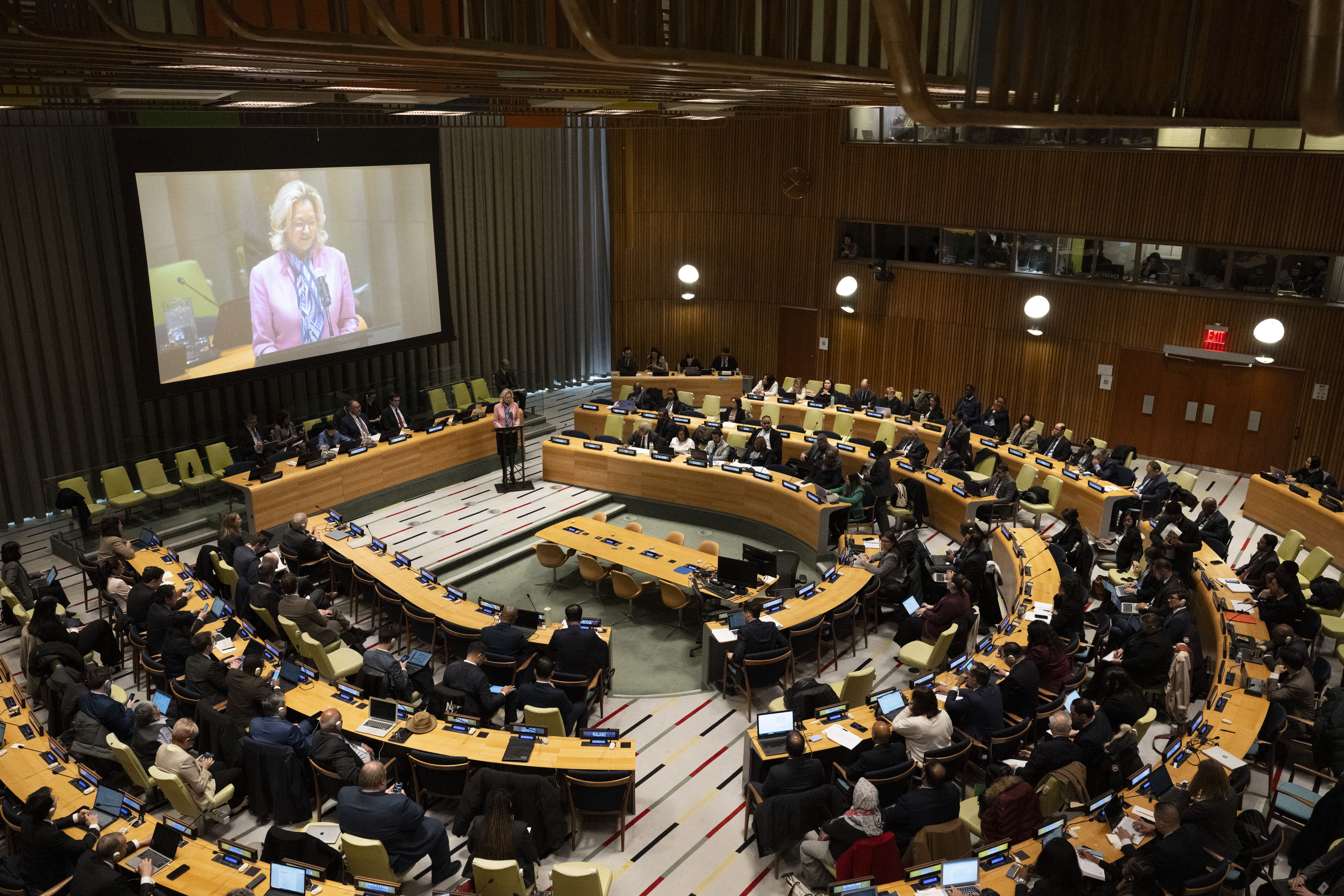
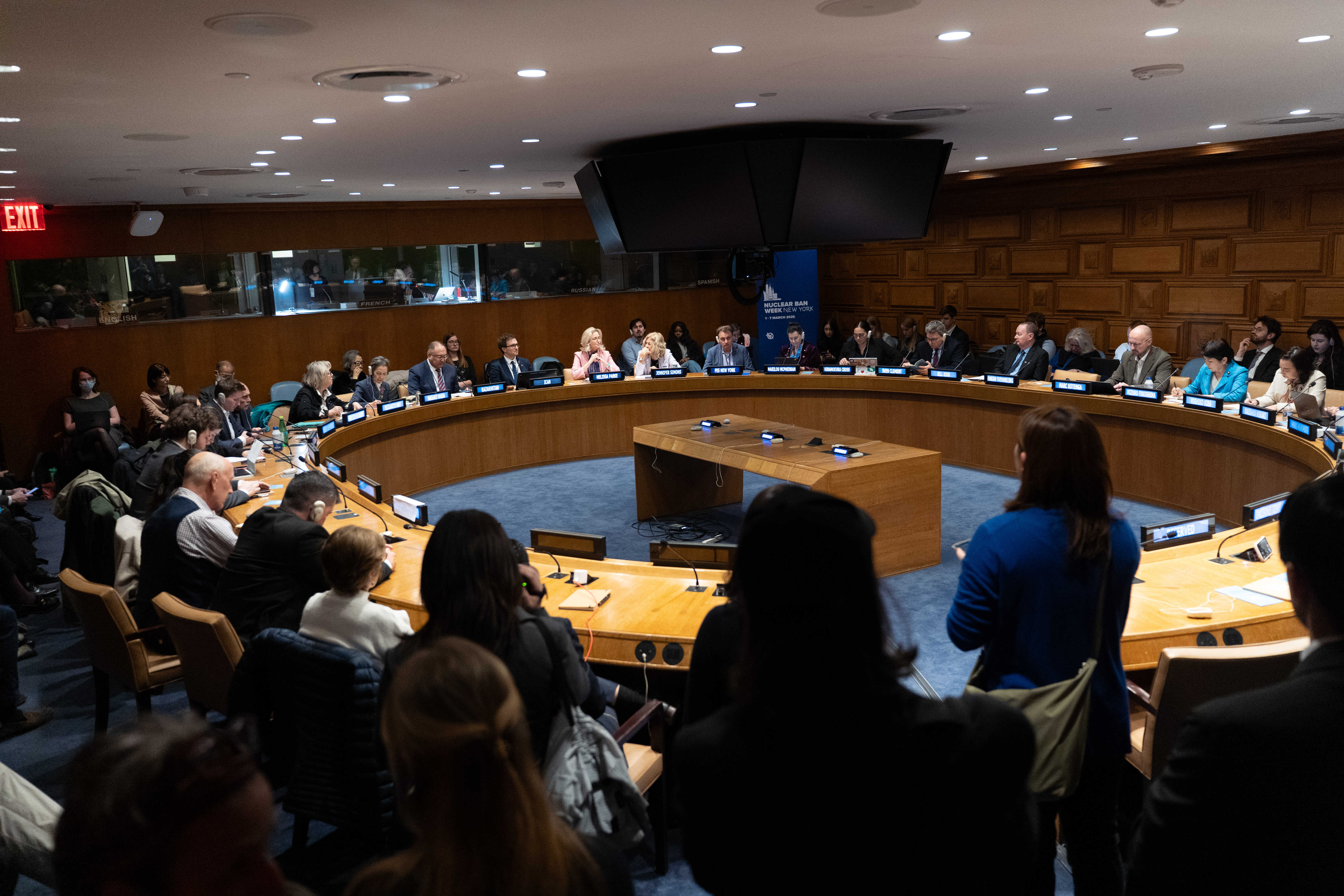
A meeting of parties to the TPNW in New York in 2025. Credit: ICAN

Disarmers: South Africa and Kazakhstan

Two leading proponents of the TPNW, South Africa and Kazakhstan, have shown through past actions that nuclear disarmament is possible.

When Kazakhstan gained its independence in 1991 following the collapse of the Soviet Union, more than 1,400 nuclear weapons remained on its territory. It opted to relinquish them all, recognising that its security was best achieved through disarmament.

South Africa reached the same conclusion at the end of the Apartheid era in the early 1990s, voluntarily dismantling its entire arsenal of nuclear bombs – an act later verified by the International Atomic Energy Agency.

Leaders from both nations have expressed great pride in their contributions to achieving a nuclear-weapon-free world, urging others to follow suit.

Casings for South Africa’s nuclear bombs.

Action for abolition

Nuclear weapons were built with human hands and can be dismantled with human hands. There are no technical barriers, only political ones. Tens of thousands of nuclear weapons have already been taken apart.

With leadership and political will, further progress towards disarmament could be achieved very rapidly. The fact that large geographic regions have already been declared free of nuclear weapons suggests that, one day, the entire world could be.

Historically, some of the greatest breakthroughs in the field of nuclear arms control were achieved at times of high international tension. A crisis can focus leaders’ minds and force them to explore new pathways forward.

But progress will always depend on a powerful grassroots movement for change, involving concerned citizens from all walks of life. The strong, enduring global taboo that exists today against the use of nuclear weapons is the result of decades of popular resistance.

There are many ways that individuals can contribute to the cause of eliminating the world’s worst weapons. Here are some of them:

A torchlight procession through Oslo, Norway, in support of the TPNW. Credit: Kristian Laemmle-Ruff

Educate:

Share information with friends, family members and colleagues about the urgency of abolishing nuclear weapons. Write articles and letters to the editor, post content on social media, and organise public forums, teach-ins and film screenings.

Raising awareness about the harm that nuclear weapons inflict on people and the environment is especially important. Too often, education about nuclear weapons focuses instead on the men who invented and dropped the weapons in 1945.

The first-hand testimonies of survivors from Hiroshima and Nagasaki, and of people harmed by nuclear testing, can help shift attitudes and motivate action.

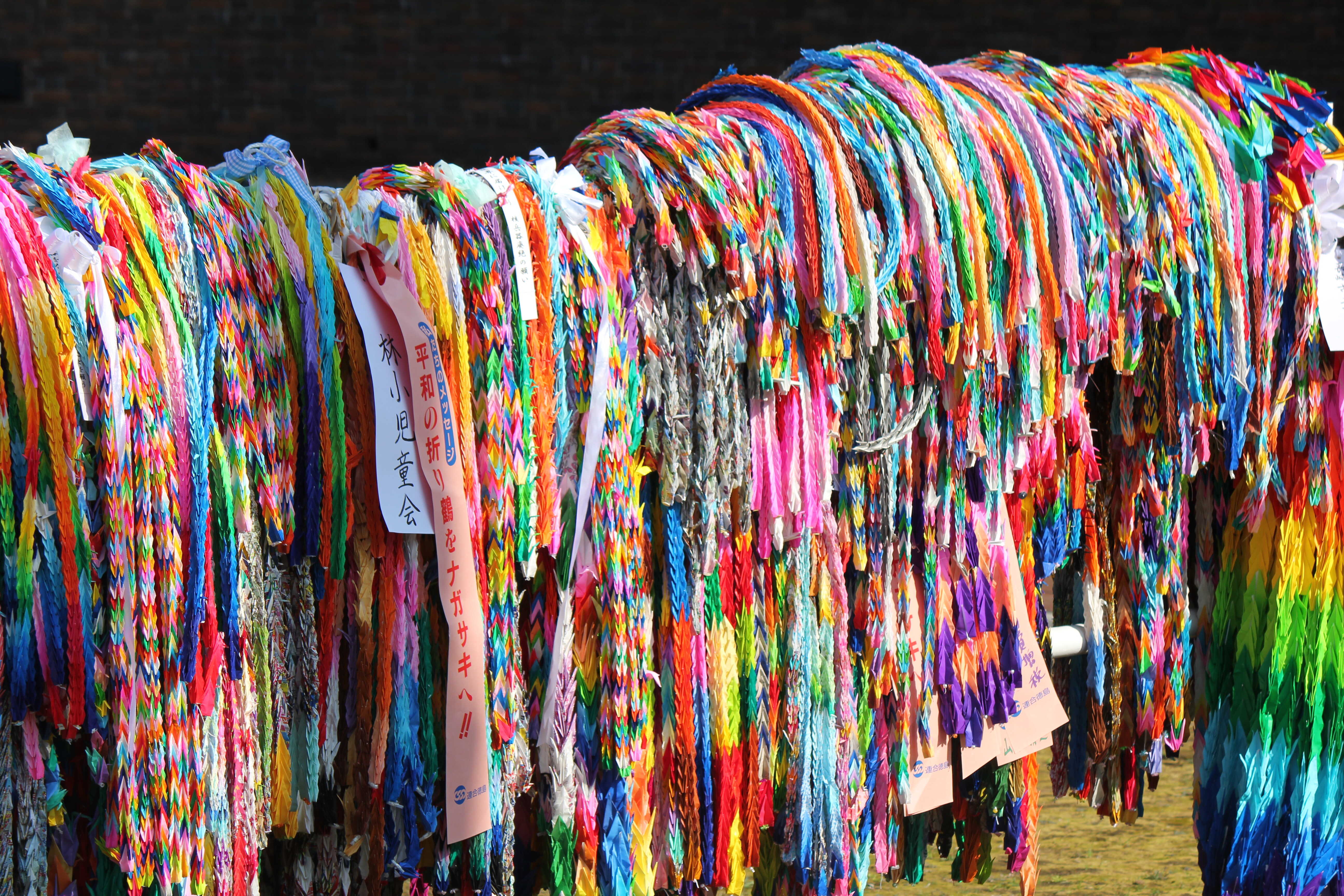
Paper cranes

In Japan, paper cranes are traditionally a symbol of good health and a long life. Today, they are also recognised internationally as a symbol of peace, and can be used to spark important conversations on the urgent need to eliminate nuclear weapons.

As a two-year-old girl, Sadako Sasaki was exposed to radiation from the Hiroshima bomb. Years later, she was diagnosed with leukaemia – a delayed effect of radiation – and she set herself the goal of folding one thousand paper cranes while in hospital, hoping that it would bring her good health.

She persevered and reached her goal but, tragically, grew weaker by the day and died at the age of 12.

Ever since, children across Japan and throughout the world have folded paper cranes to show their support for the elimination of nuclear weapons.

Why not mail or hand deliver paper cranes to elected representatives in your country, with a letter requesting their support for the Treaty on the Prohibition of Nuclear Weapons?

Thousands of paper cranes adorning a monument in Nagasaki. Credit: ICAN

Advocate:

Write to, phone or meet with decision-makers in your country to seek their support for the total abolition of nuclear weapons.

Since 2017, thousands of parliamentarians across the political spectrum have responded to the demands of concerned citizens and signed an ICAN pledge to promote adherence to the Treaty on the Prohibition of Nuclear Weapons (pledge.icanw.org).

Hundreds of cities, from Washington DC to Paris to Sydney, have also formally supported the treaty, signing onto an ICAN appeal (cities.icanw.org).

You need not be an expert to make your voice heard. What matters is that you recognise the gravity of the threat and the urgency of action.

ICAN convenes parliamentarians from across the world. Credit: Derek French

Protest:

Non-violent protest is an important way for people to convey their rejection of nuclear weapons. It can take many forms, including rallies, marches, blockades and vigils.

For decades, members of the global peace and disarmament movement have held protests, large and small, to draw attention to the cause. Countless actions have occurred at sites where nuclear weapons are built and deployed, at universities involved in their development, and outside national parliaments.

Undoubtedly, mass protests have helped bring an end to nuclear testing, halt the expansion of nuclear arsenals, prevent any use of nuclear weapons in war since 1945, and build pressure for disarmament.

More direct action is needed today.

An anti-nuclear action in Melbourne, Australia. Credit: Jesse Boylan

Divest:

In some nuclear-armed nations, companies are involved in the production of nuclear weapons and their components, and financial institutions provide capital to make this work possible.

Divesting from the nuclear weapons industry is a tangible contribution that financial institutions can make to disarmament. Hundreds have already done so, committing to nuclear-weapon-free finance, in line with the Treaty on the Prohibition of Nuclear Weapons (divest.icanw.org).

Individuals can contact their banks and pension funds and insist that nuclear weapons companies be excluded from their investments.

About the campaign

The International Campaign to Abolish Nuclear Weapons (ICAN) is a global coalition of non-government organisations with a simple mission: to convince every nation in the world to join and fully implement the landmark Treaty on the Prohibition of Nuclear Weapons.

Founded in Melbourne, Australia, in 2007, the campaign was inspired by the successful movement to outlaw anti-personnel mines a decade earlier on humanitarian grounds. Today, ICAN is headquartered in Geneva, Switzerland.

“We need a determined worldwide movement to outlaw and abolish nukes. To get there in this generation, we need to build the wave of public opinion into a mighty crescendo: a massive, surging, irresistible force which carries us all the way to absolutely zero nukes. Without it, even the most inspirational of leaders will falter on the way.”

– Bill Williams, co-founder of ICAN, 2006

An ICAN action in Geneva. Credit: Aude Catimel

Since its inception, ICAN has focused on building a powerful groundswell of public opposition to nuclear weapons, including by amplifying the voices of nuclear bomb survivors from Hiroshima and Nagasaki and people harmed by nuclear testing.

Working alongside the International Committee of the Red Cross, the UN secretariat and like-minded governments, ICAN has held awareness-raising events, published pioneering research, organised global days of action and made the case for abolition directly to senior decision-makers.

Fact: The International Campaign to Abolish Nuclear Weapons currently has 700 partner organisations in 113 nations.

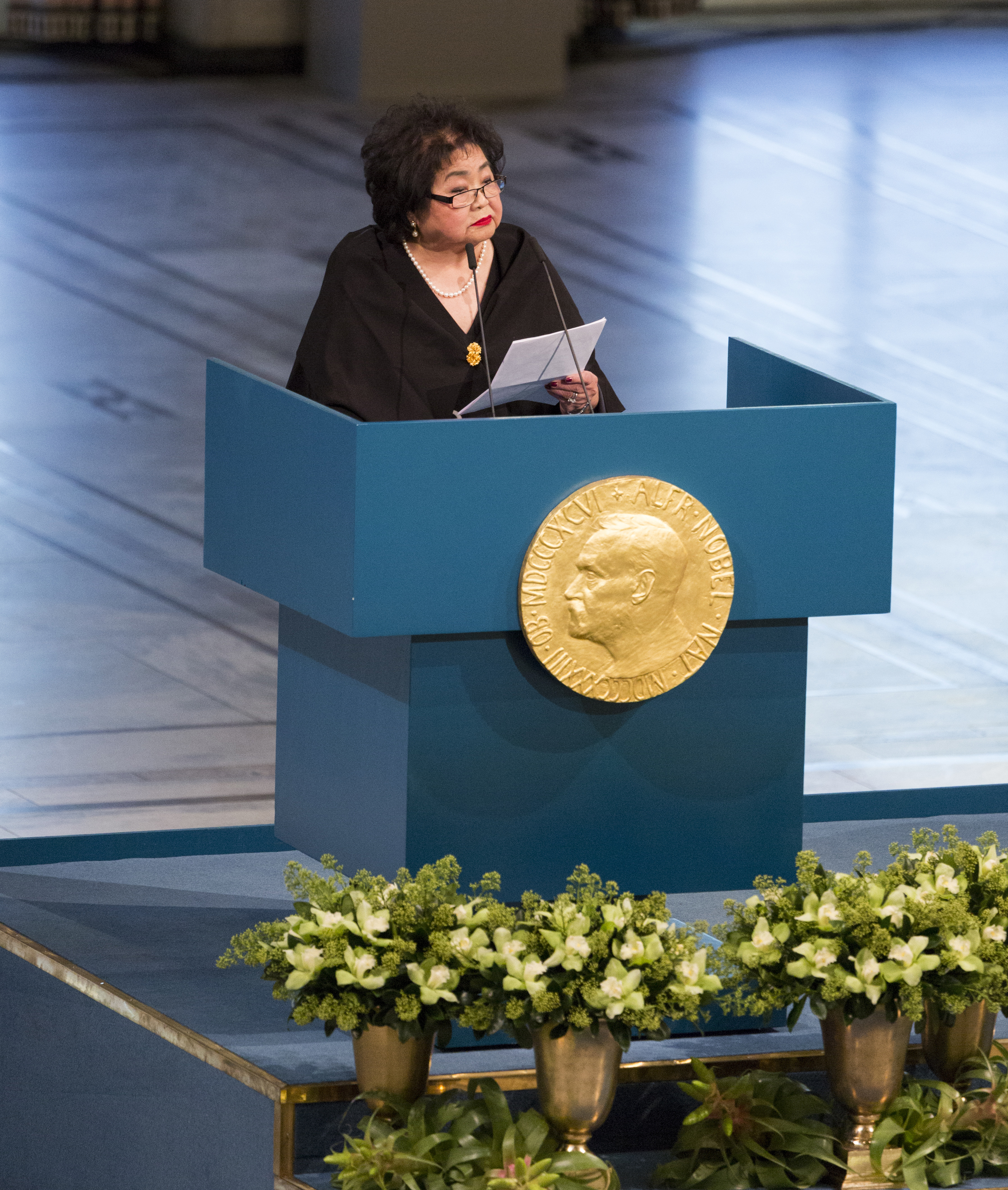
Setsuko Thurlow

As a 13-year-old girl, Setsuko Thurlow was knocked unconscious by the blast from the nuclear bomb dropped on Hiroshima. She became trapped in the rubble of a collapsed building, but eventually managed to crawl free.

“Most of my classmates in that building were burned to death alive,” she recalled. “I saw all around me utter, unimaginable devastation … The foul stench of burnt human flesh filled the air.”

A living witness to the horrors of nuclear war, Setsuko jointly accepted the Nobel Peace Prize awarded to ICAN in 2017. “Every second of every day, nuclear weapons endanger everyone we love and everything we hold dear,” she warned.

“We must not tolerate this insanity any longer.”

She urged world leaders to sign the recently adopted Treaty on the Prohibition of Nuclear Weapons. “Let this be the beginning of the end of nuclear weapons,” she said. “Join this treaty; forever eradicate the threat of nuclear annihilation.”

Setsuko Thurlow at the Nobel Peace Prize ceremony in Norway in 2017. Credit: Jo Straube

Sign up for ICAN alerts

Nobel Peace Prize

In 2017, ICAN was honoured with the Nobel Peace Prize “for its work to draw attention to the catastrophic humanitarian consequences of any use of nuclear weapons and for its ground-breaking efforts to achieve a treaty-based prohibition of such weapons”.

“It is our firm conviction that ICAN, more than anyone else, has in the past year given the efforts to achieve a world without nuclear weapons a new direction and new vigour.”

– Norwegian Nobel Committee, 2017

The prize is a tribute to the tireless efforts of the countless campaigners and concerned citizens worldwide who, ever since the dawn of the nuclear age, have loudly protested against nuclear weapons, insisting that they be abolished forever.

This is not a distant dream, but an urgent necessity. Future generations must grow up free from this terrible scourge.

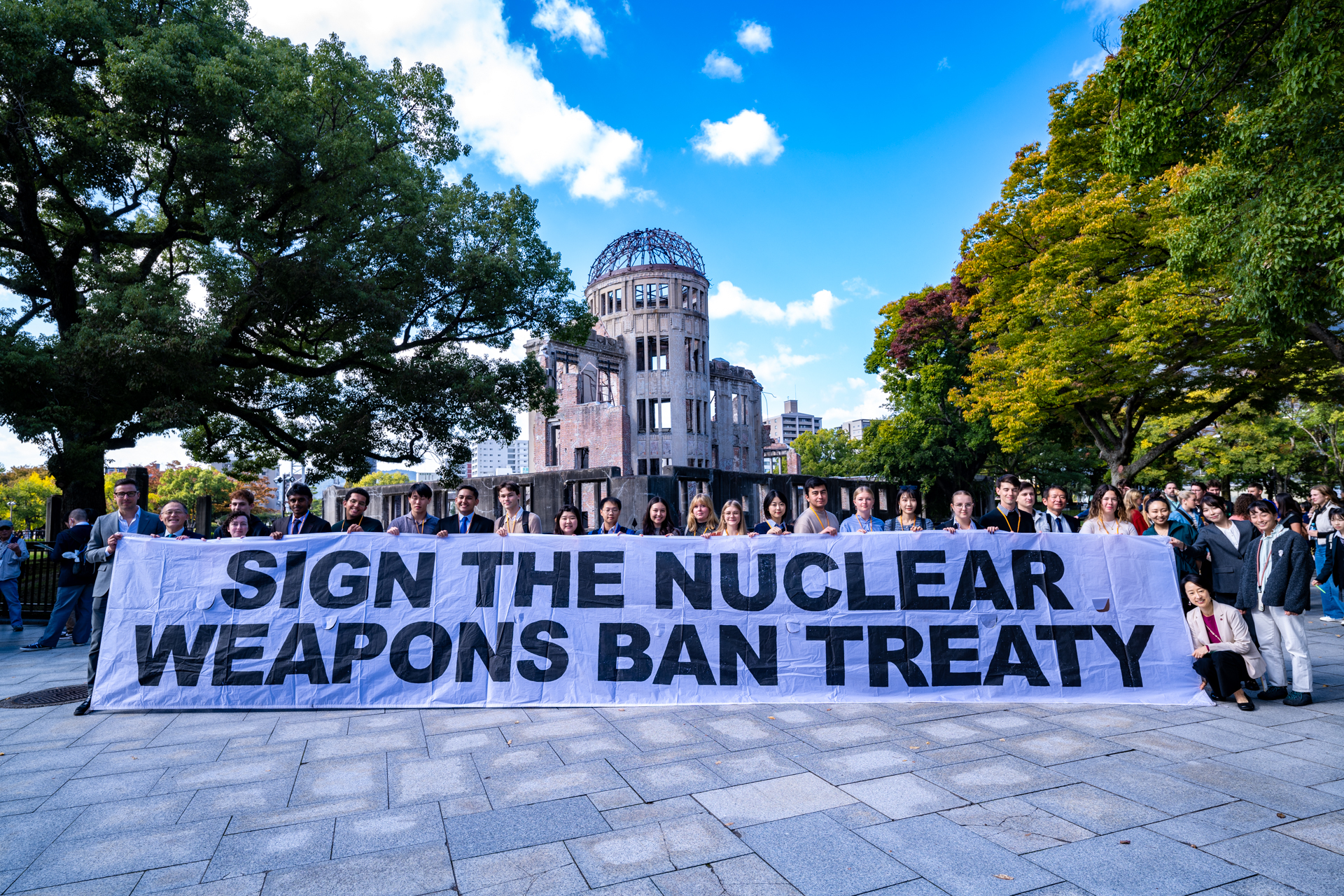
An action with students in Hiroshima. Credit: Takeo Nakaoku

اوپر واپس جائیں