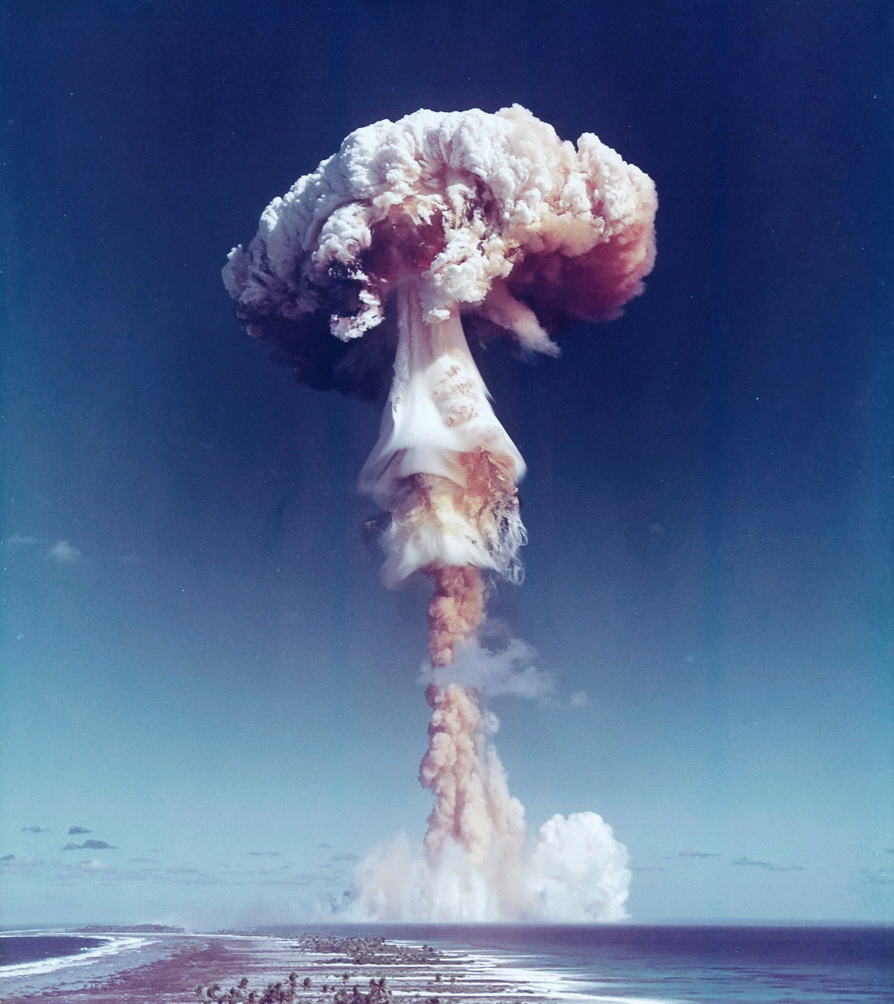
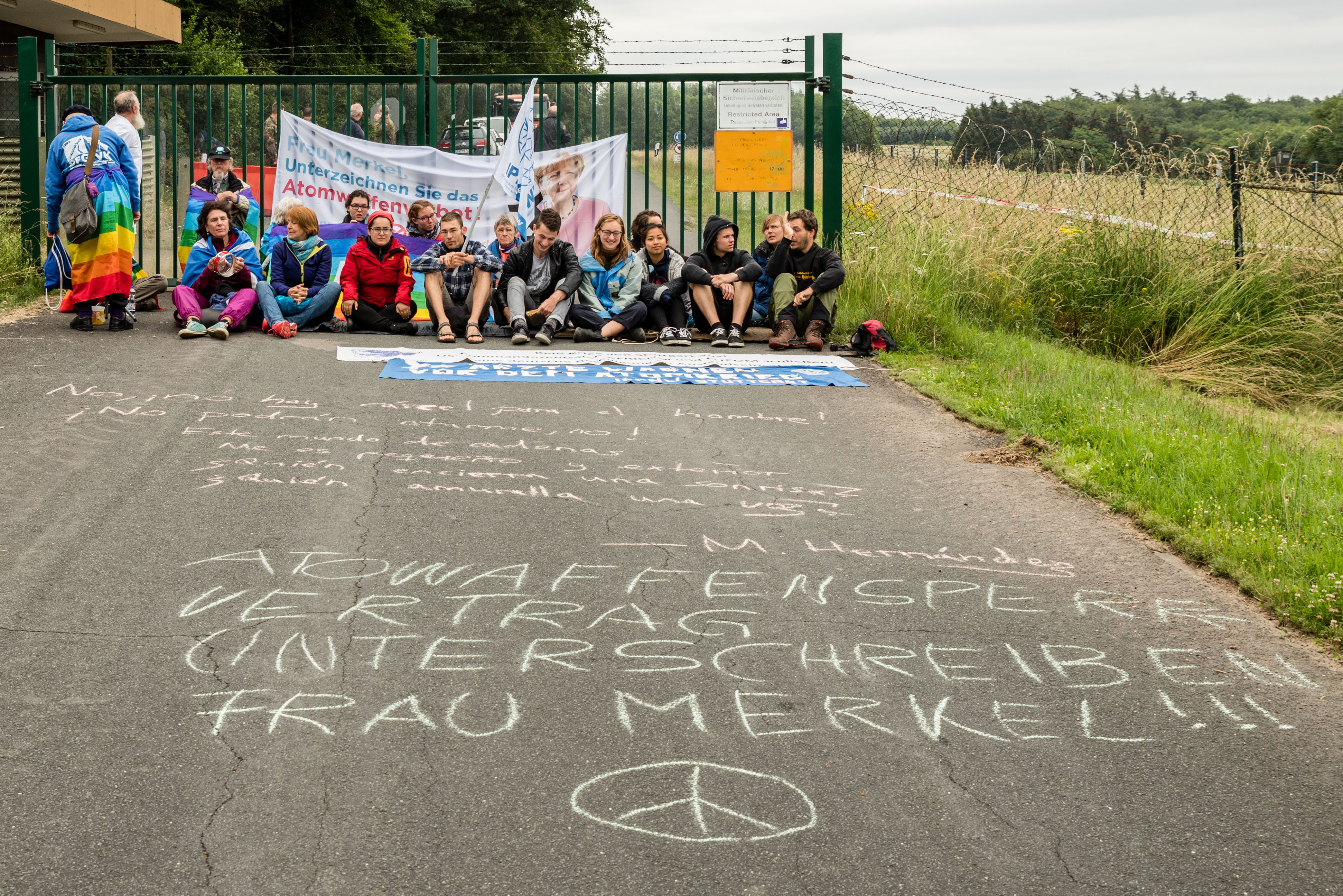
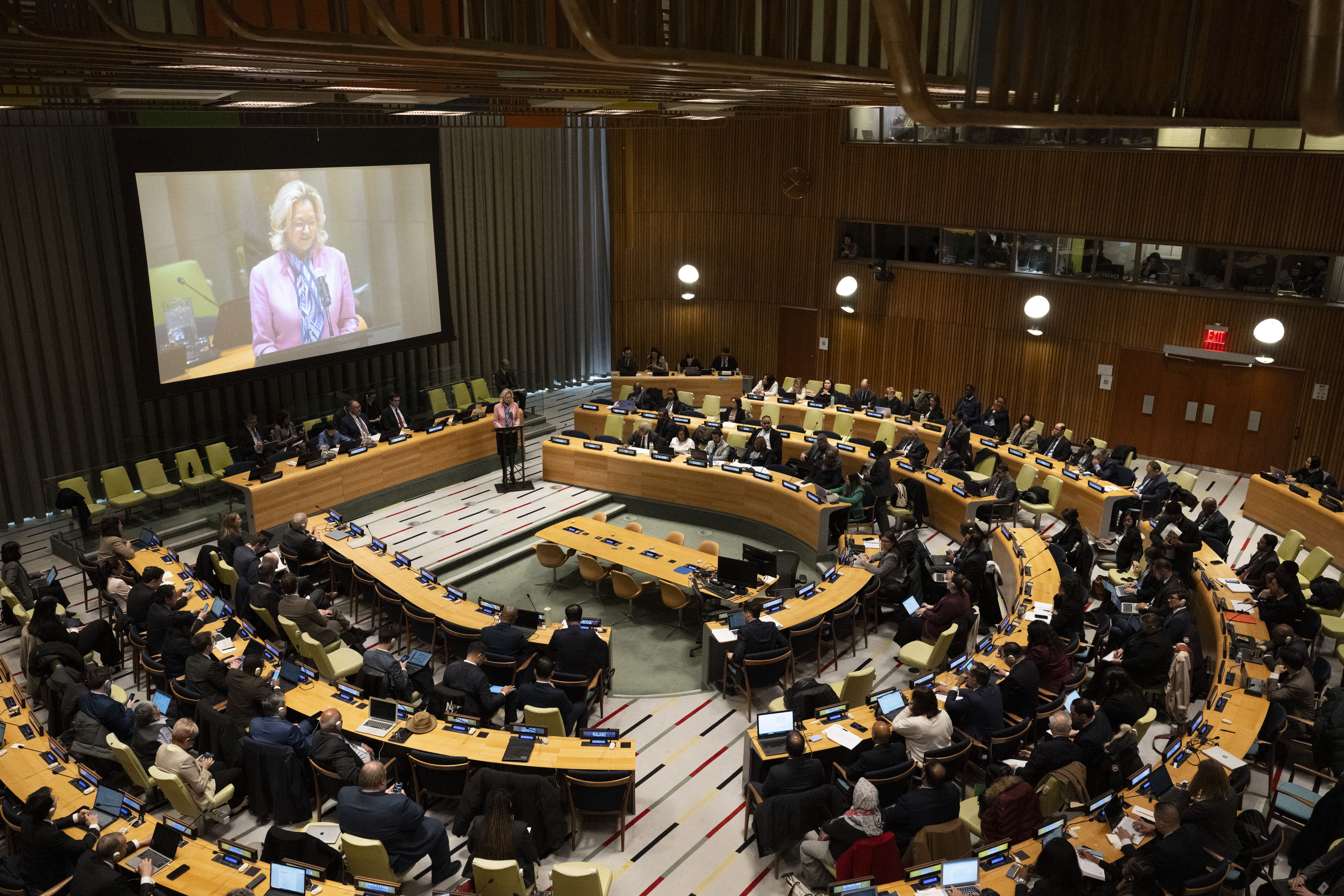
The risk of a nuclear weapon being used today, whether by accident or design, is as high as it has ever been – and only appears to be increasing.
This is due to factors such as the dire international security environment, heightened tensions among nuclear-armed nations, the build-up of their nuclear forces, and the erosion of international norms and institutions.
The pursuit of offensive cyber-capabilities, autonomous technologies and artificial intelligence in the military domain makes the threat even greater.
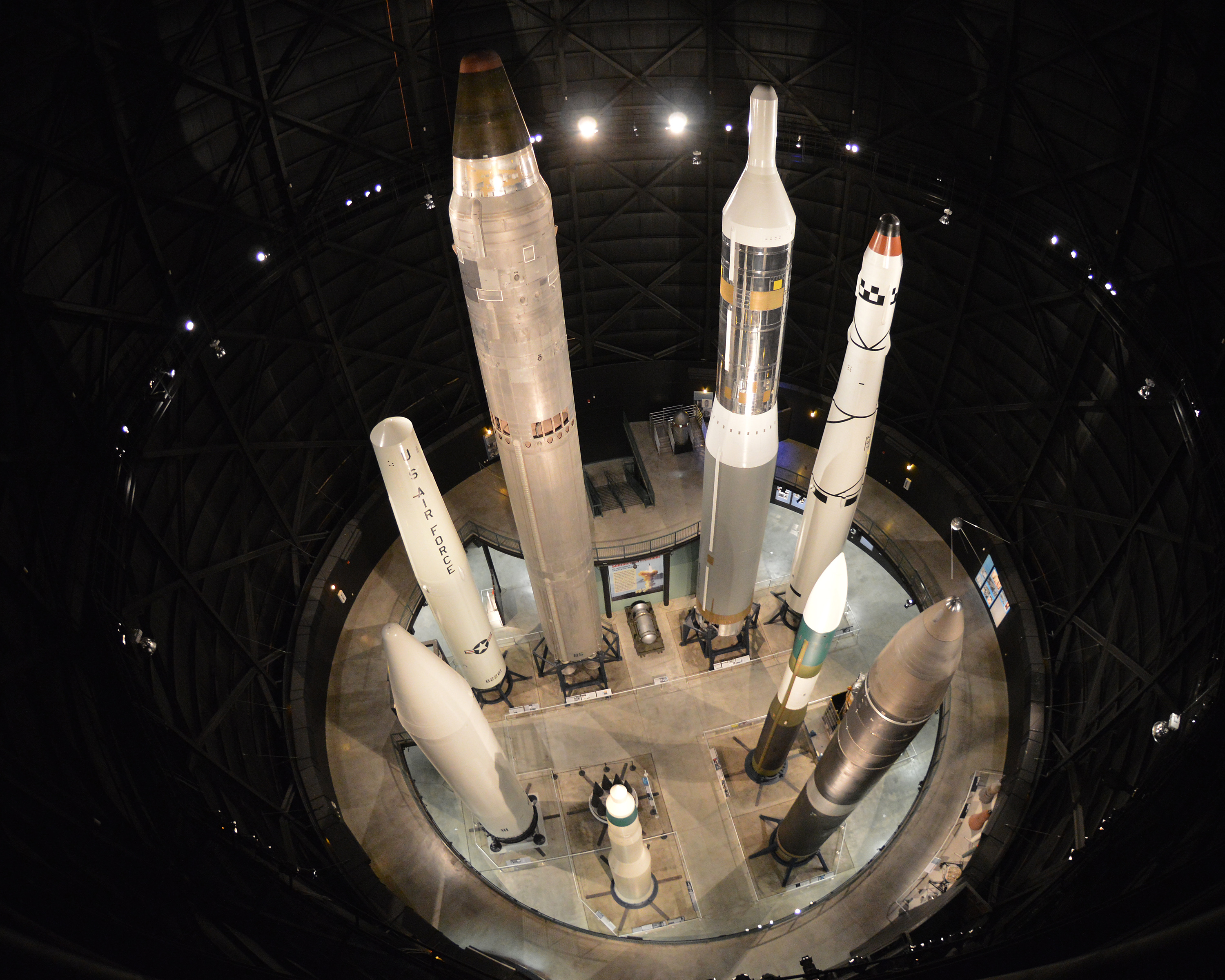
Maintaining nuclear weapons on high alert – ready for use within minutes of a warning of an incoming attack – is a particularly dangerous practice. Once a nuclear-tipped missile has been launched, it cannot be recalled. It must proceed to its target, even if the launch was based on false information.
In the fog of war, leaders are prone to acting irrationally and unpredictably. The potential for misunderstandings is especially great in stressful, chaotic situations.
It is all too easy to foresee how a moment of panic or ruthlessness, a bruised ego or miscommunication, could lead to global catastrophe, as the vast power to unleash nuclear devastation is vested in just a few individuals.
On multiple occasions during the Cold War, the world came perilously close to experiencing a full-scale nuclear war. The most infamous incident was the Cuban missile crisis of 1962 involving the United States and the Soviet Union.
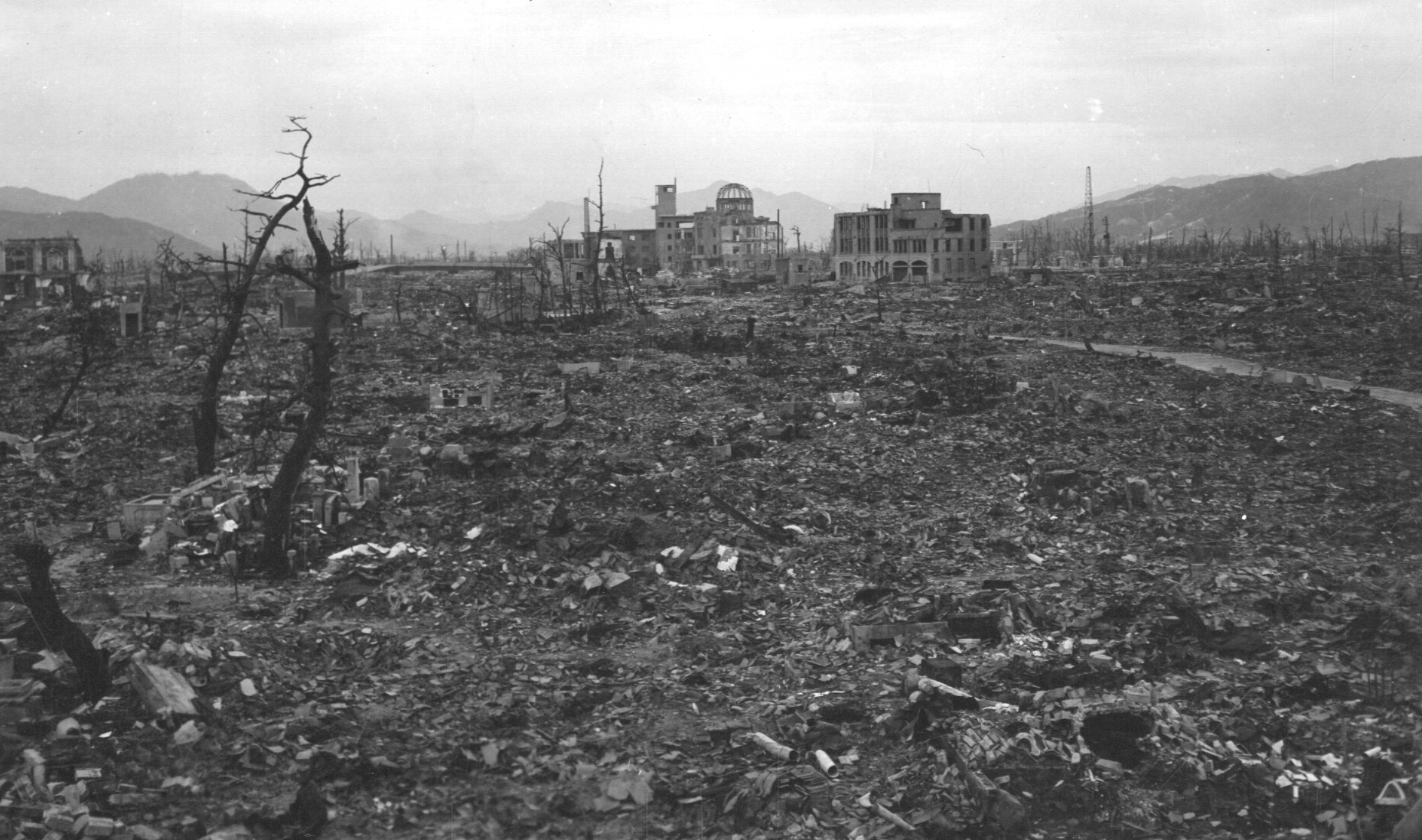
The fact that nuclear weapons have not been used in conflict since 1945 has more to do with good luck than good management. And sooner or later, our luck will run out – unless effective action is taken to eliminate this menace.