








The Kingdom of Tonga has become the 100th country to join the UN Treaty on the Prohibition of Nuclear Weapons, marking a major milestone for the growing global movement to eliminate nuclear weapons.
By depositing its instrument of accession at the United Nations on 7 July 2026, Tonga has become the 75th state party to the TPNW. A further 25 countries have signed the treaty, meaning that 100 countries have now taken formal action in support of the only international treaty that comprehensively bans nuclear weapons.
This milestone comes exactly nine years after the treaty was adopted and just over five years after it entered into force. A clear majority of the 197 states eligible to join the treaty have now either become states parties or signatories, and more countries are expected to join very soon.
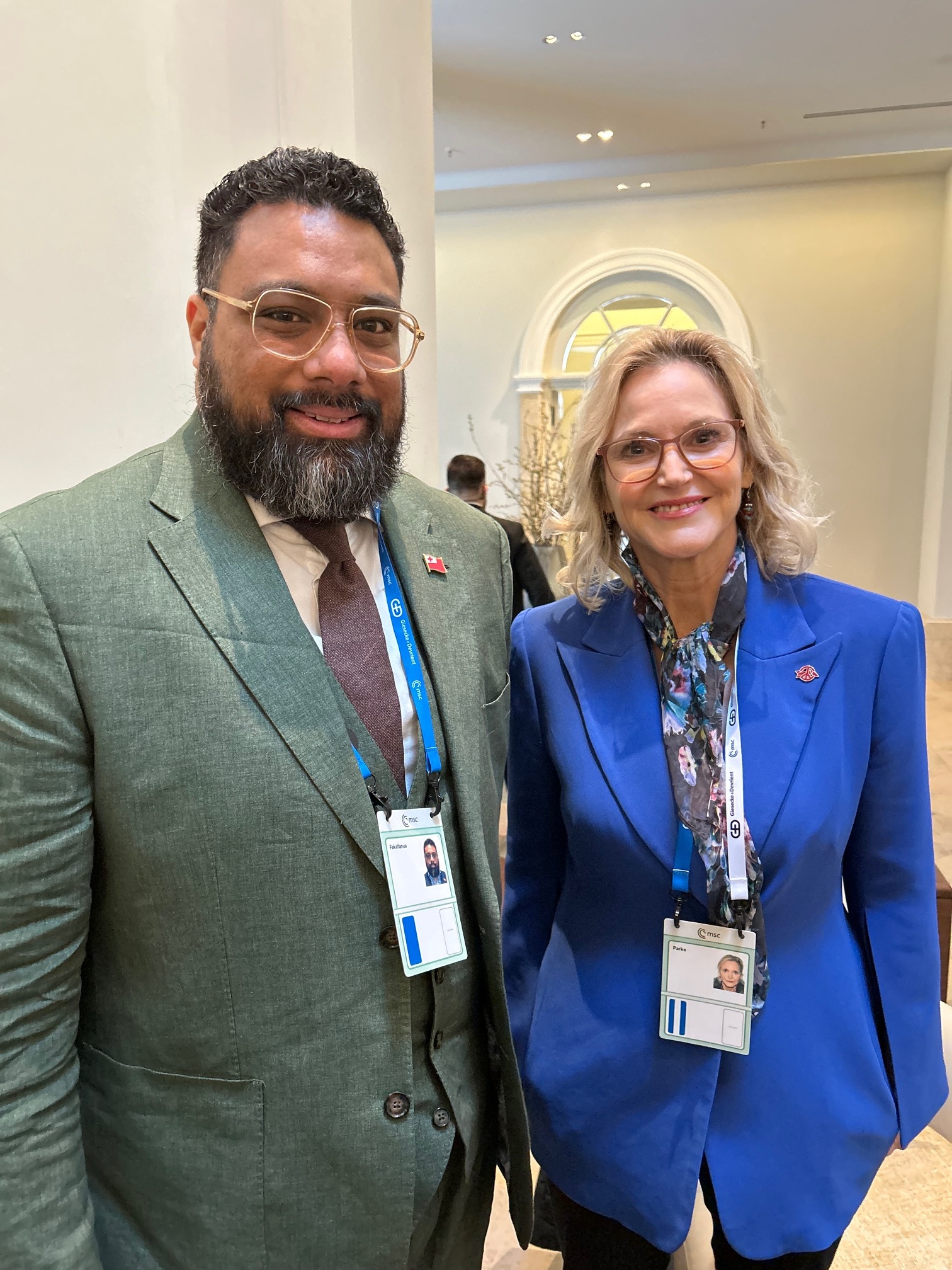 Lord Fakafānua, Prime Minister of Tonga and Melissa Parke
“We congratulate Tonga on its accession to the Treaty on the Prohibition of Nuclear Weapons,” said Melissa Parke, Executive Director of the Nobel Peace Prize-winning International Campaign to Abolish Nuclear Weapons. “Tonga will be the 75th state party to the treaty, which has another 25 signatories. These 100 countries have taken the humanity-affirming and necessary decision to totally reject nuclear weapons. It is time the nine nuclear-armed countries and other states that endorse the use of nuclear weapons get on the right side of history by eliminating these weapons that are a constant existential threat to every one of us.”
When depositing its instrument of accession to the TPNW, H.E. Mr. Viliami Vaʼinga Tōnē, Permanent Representative of the Kingdom of Tonga to the United Nations, stated that “for a Small Island Developing State, these treaty actions represent far more than the fulfilment of legal obligations. They reflect our deeply held conviction that lasting peace, international security, the protection and sustainable stewardship of our oceans, and the progressive advancement of nuclear disarmament are inextricably linked to the well-being of humanity and to the sustainable future to which we collectively aspire.”
Tonga’s accession is highly significant because of the Pacific’s long history of leadership on nuclear disarmament. The region has been the site of extensive nuclear testing, with hundreds of detonations carried out by the United States, the United Kingdom and France. These tests caused devastating and ongoing harm to communities across the region and widespread radioactive contamination. That experience of the reality of what these weapons do when used has made Pacific states some of the world’s clearest and most consistent voices for nuclear disarmament.
Tonga’s decision to join the TPNW continues that tradition and strengthens the global majority calling for an end to these weapons.
Adopted at the United Nations in 2017 and in force since 2021, the TPNW prohibits countries from developing, testing, producing, manufacturing, transferring, possessing, stockpiling, using or threatening to use nuclear weapons. It also bans countries from allowing nuclear weapons to be stationed on their territory, and from assisting, encouraging or inducing anyone to engage in prohibited activities.
As more countries join the treaty, the diplomatic pressure on the nine nuclear-armed states and their allies continues to grow. Each new signature, ratification or accession increases the reputational cost of possessing and endorsing weapons that threaten all life on Earth.
With Tonga’s accession, 100 countries have now chosen that path on nuclear weapons. The message from the global majority is clear: nuclear weapons are unacceptable, illegal under the TPNW, and must be eliminated.